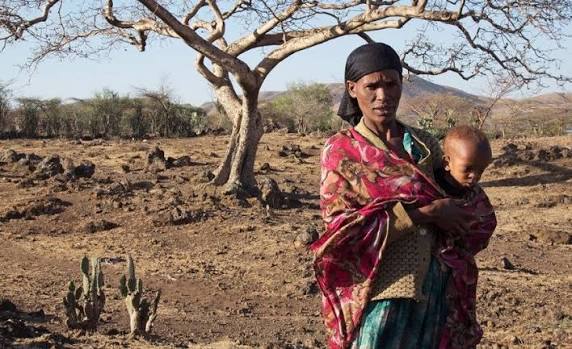
The expected return of a powerful El Niño is emerging as a major risk to global agriculture and food security, with concerns growing that climate-related shocks could disrupt crop production, raise food prices and increase hunger in vulnerable regions. The World Food Programme (WFP) estimates that nearly 49 million additional people could face acute food insecurity by the end of 2027 if El Niño-related impacts combine with other climate, economic and geopolitical shocks.
El Niño is a recurring climate phenomenon associated with unusually warm sea-surface temperatures in the central and eastern tropical Pacific Ocean. Its effects extend far beyond the Pacific, influencing rainfall, temperatures and weather patterns across large parts of the world.
Agriculture Faces Growing Climate Risks
Agriculture is particularly vulnerable to El Niño because crop production depends heavily on predictable rainfall and suitable temperatures. Changes in seasonal weather patterns can result in droughts in some regions while causing excessive rainfall and flooding in others.
For farmers, such conditions can affect planting schedules, crop establishment, flowering and harvesting. Prolonged dry conditions can reduce yields of major food crops, while heavy rainfall and flooding can damage standing crops, wash away fertile soil and disrupt agricultural infrastructure.
The impact can be particularly severe in countries where farming is largely dependent on rainfall and where farmers have limited access to irrigation, crop insurance and other risk-management tools.
Food Supplies Could Come Under Pressure
A strong El Niño could put additional pressure on global supplies of cereals and other staple crops if production declines in major agricultural regions. Lower harvests can tighten supplies and contribute to higher prices in domestic and international markets.
For low-income households, rising food prices can quickly reduce purchasing power and force families to cut the quantity or quality of food they consume. This can increase the risk of malnutrition, particularly among children and other vulnerable groups.
The WFP’s warning highlights the potential for climate shocks to compound existing food-security challenges. Conflicts, economic instability, high food and input costs and supply-chain disruptions can make communities less able to withstand another major agricultural shock.
Vulnerable Countries Face the Greatest Threat
The consequences of El Niño are unlikely to be evenly distributed. Countries already experiencing food insecurity, conflict or economic difficulties may face the greatest risks.
In vulnerable agricultural communities, a failed harvest can mean not only higher food prices but also a loss of household income. Smallholder farmers may have to sell livestock, borrow money or reduce spending on essential services to cope with food shortages.
Humanitarian agencies may consequently face greater demand for emergency food assistance if climate-related crop failures occur across multiple regions at the same time.
Need for Early Action
Experts and humanitarian organisations increasingly emphasise the importance of acting before climate shocks become full-blown food emergencies. Early warning systems can help governments and aid agencies identify areas at risk and prepare assistance in advance.
Measures such as drought-resistant crop varieties, improved irrigation, water conservation, climate-smart farming practices and better agricultural weather information can help farmers reduce the impact of extreme conditions.
Maintaining adequate food stocks and strengthening supply chains can also help governments respond to temporary production shortages and price volatility.
Global Cooperation Will Be Critical
The potential impact of a strong El Niño comes at a time when global food systems are already exposed to multiple risks. Climate change is increasing the frequency and intensity of extreme weather events in many parts of the world, while geopolitical tensions and economic uncertainty continue to affect agricultural trade.
The possibility of nearly 49 million additional people facing acute food insecurity by the end of 2027 underscores the scale of the challenge.
For governments, farmers, humanitarian organisations and international institutions, the priority will be to prepare early rather than respond after food shortages emerge. Strengthening climate resilience, protecting vulnerable communities and maintaining stable food supply chains will be essential to prevent a climate event from developing into a wider global food-security crisis.
As the El Niño outlook develops, agricultural markets and food-security agencies are expected to closely monitor rainfall, temperatures, crop conditions and food prices across vulnerable regions. Early preparation could prove critical in protecting millions of people from the combined effects of climate shocks and food insecurity.


 By
By