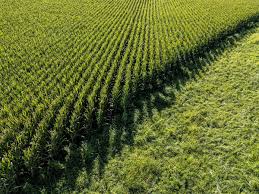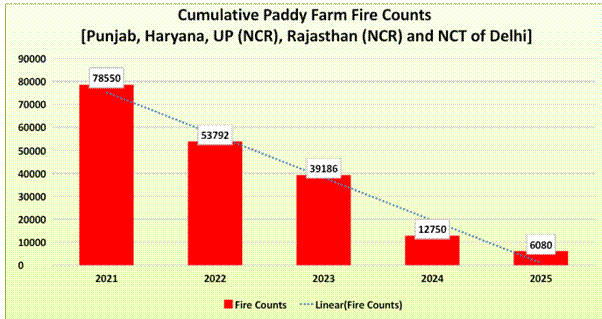
The paddy harvesting season in Punjab and Haryana has officially concluded for 2025, accompanied by a remarkable reduction in stubble-burning incidents across both states. With the season ending, the formal process of reporting, monitoring, and assessing stubble-burning cases—conducted annually from 15 September to 30 November as per ISRO’s standard protocol—has also come to a close.
The Commission for Air Quality Management (CAQM) noted that its coordinated framework, coupled with strict enforcement measures and extensive deployment of crop-residue management machinery, has yielded significant results in recent years. Although weather patterns continue to influence air quality in Delhi and the National Capital Region, the sharp decline in agricultural burning has substantially mitigated potential pollution levels this season.
In 2025, Punjab recorded the lowest number of stubble-burning cases ever documented, with 5,114 incidents—representing a 53 percent reduction compared to 2024. The decline is even more pronounced against longer-term benchmarks: 86 percent lower than 2023, 90 percent lower than 2022, and 93 percent lower than 2021.
Haryana also demonstrated strong progress, reporting only 662 stubble-burning cases in 2025. This reflects a 53 percent reduction from 2024, 71 percent from 2023, 81 percent from 2022, and 91 percent from 2021. These trends highlight the impact of state-specific residue-management strategies adopted under CAQM’s action plan.
Authorities attribute the decline to multiple measures, including effective implementation of district- and state-level action plans, large-scale deployment of residue-management machinery, and tighter monitoring and enforcement. Parallel efforts to promote alternative uses of paddy straw—such as biomass-based energy production, industrial boiler fuel, bioethanol manufacturing, briquette usage in thermal power plants and brick kilns, and use in packaging and other commercial applications—have also significantly reduced burning.
Continuous coordination among state agriculture departments and district administrations ensured timely corrective action wherever burning was detected. Ground-level inspections by enforcement teams, hotspot monitoring, intensive ICT-based awareness campaigns, and farmer outreach initiatives contributed to improved compliance. CAQM has also established a dedicated cell in Chandigarh for year-round monitoring of paddy-residue management and associated pollution activities.
Authorities anticipate continued improvement in the region’s overall air quality in the coming years as Punjab, Haryana, and the Delhi-NCR region move toward sustained and stricter implementation of measures aimed at eliminating paddy-straw burning altogether.


 By
By