

A rapid global shift toward renewable energy—accelerated by ongoing geopolitical tensions in the Middle East—is beginning to significantly influence the agricultural sector. While the transition promises long-term sustainability benefits, it is also creating short-term challenges for farmers through rising input costs and market volatility.
The current conflict has disrupted traditional energy supply chains, prompting many countries to fast-track investments in solar, wind, and other renewable sources. This shift is aimed at reducing dependence on fossil fuels and improving energy security. However, in the immediate term, instability in oil and gas markets has led to higher fuel prices—directly affecting farm operations such as irrigation, transportation, and mechanization.
At the same time, fertilizer production—heavily dependent on natural gas—is being impacted by fluctuating energy prices. The resulting increase in fertilizer costs is forcing farmers worldwide to reassess input use. In several regions across Asia, Africa, and Latin America, growers are reducing fertilizer application rates to manage expenses, which could negatively affect crop yields and overall productivity.
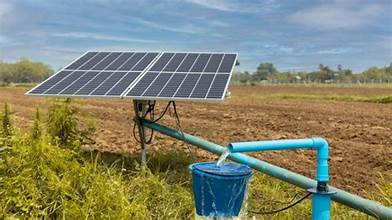
Experts note that while renewable energy adoption could eventually lower energy costs and provide cleaner alternatives for agriculture—such as solar-powered irrigation systems—the transition phase is proving to be economically challenging, especially for smallholder farmers with limited financial resilience.
There is also a structural shift underway, as governments and agribusinesses begin integrating renewable technologies into farming systems. Precision agriculture, energy-efficient cold storage, and decentralized power solutions are gaining traction, offering long-term efficiency gains. However, these technologies often require significant upfront investment, creating accessibility barriers for many farmers.
Analysts warn that if high input costs persist, global food production could face pressure, potentially contributing to higher food prices and increased food insecurity. The situation highlights the interconnected nature of energy and agriculture, where shifts in one sector can have cascading effects on the other.
Moving forward, policymakers are being urged to support farmers through targeted subsidies, improved access to affordable inputs, and incentives for adopting renewable energy solutions. Balancing the clean energy transition with agricultural stability will be critical to ensuring both environmental sustainability and global food security.


 By
By











