A major irrigation initiative in Africa’s Sahel region is expanding rapidly, offering crucial support to communities struggling with climate threats and water scarcity. The $175 million project, backed by international development partners and regional governments, is now benefiting more than 130,000 farmers and pastoralists, marking one of the most significant efforts to strengthen agricultural resilience in the region.
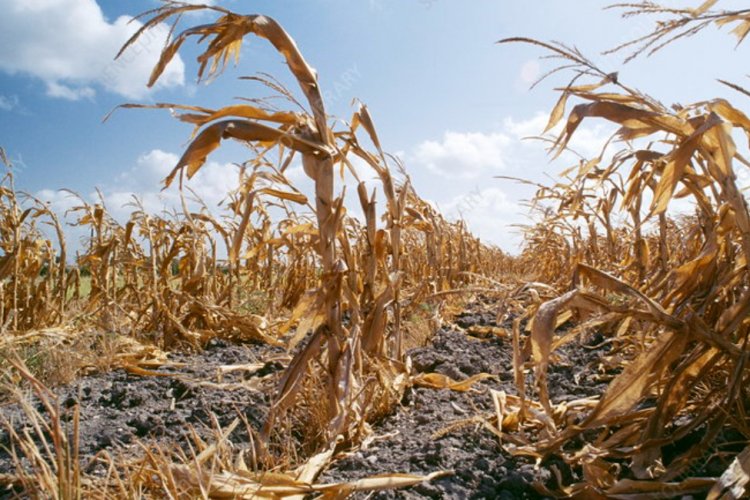
The Sahel, which stretches across countries such as Niger, Mali, Burkina Faso, and Chad, faces some of the most severe climate challenges in the world. Recurrent droughts, erratic rainfall, and advancing desertification have made traditional farming increasingly difficult. As a result, many rural households are caught in cycles of low productivity, food insecurity, and income instability. The expanded irrigation initiative aims to break this cycle by improving water access and supporting climate-smart farming practices.
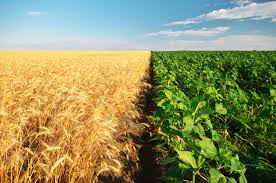
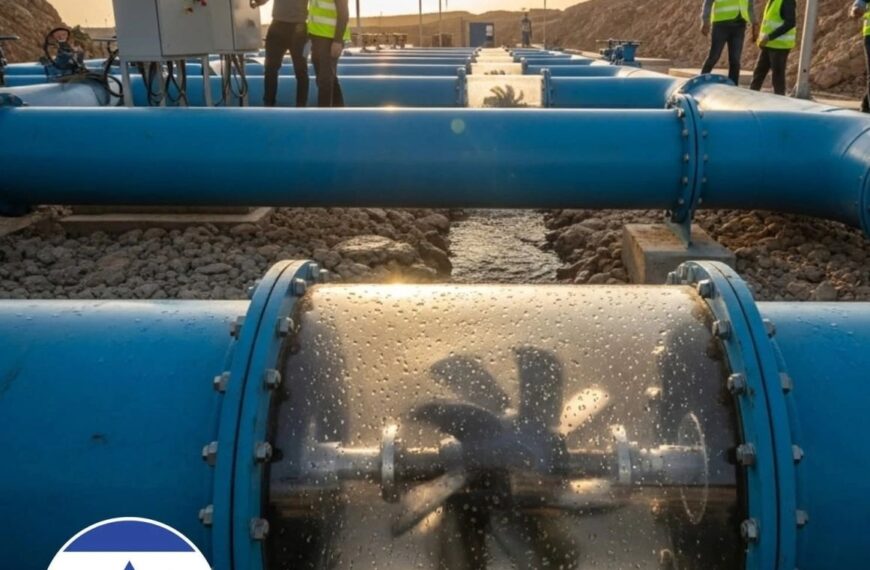
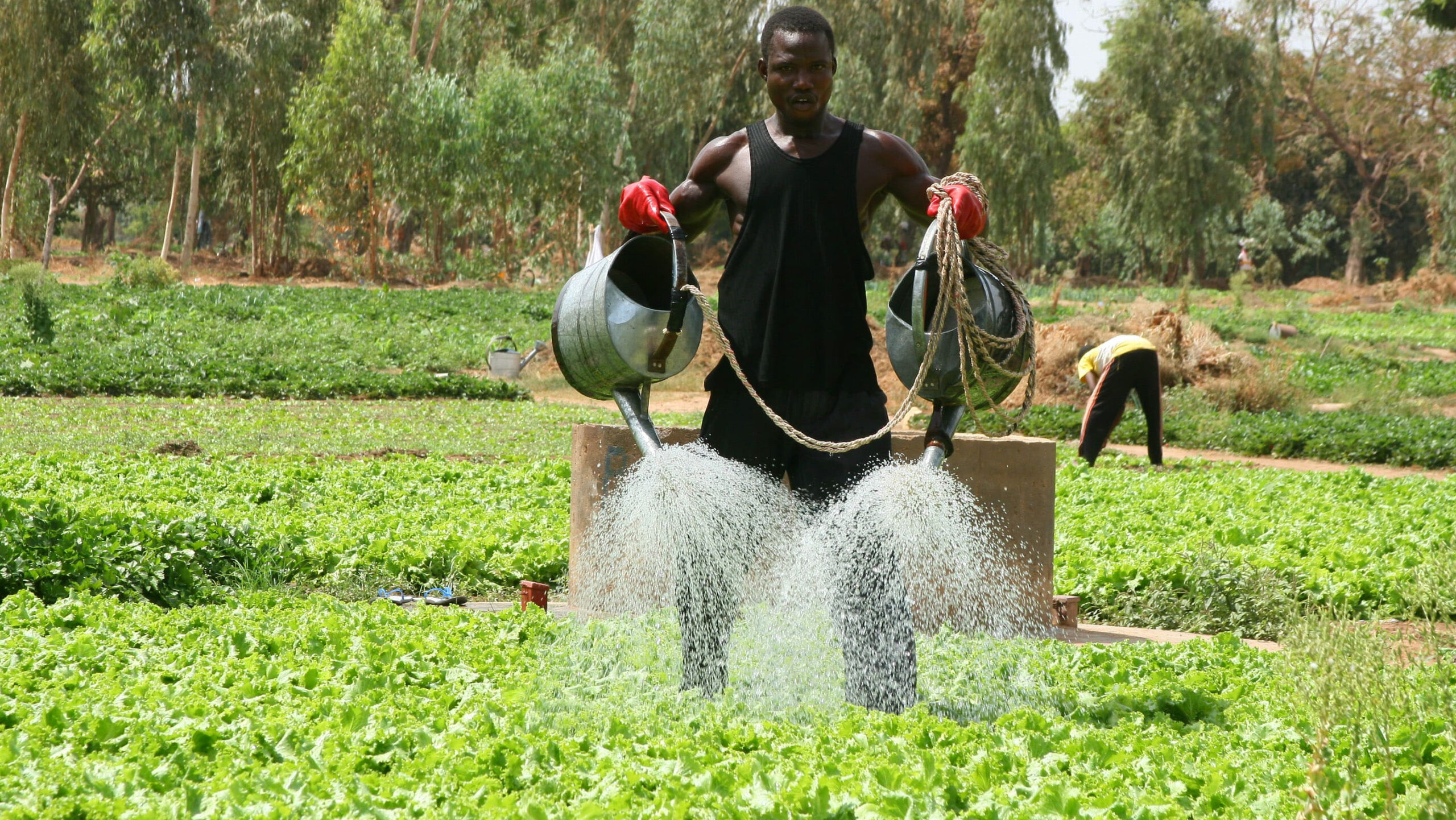
The project focuses on building and rehabilitating small-scale irrigation systems, installing solar-powered water pumps, and developing community-managed water infrastructure. These investments enable farmers to cultivate land year-round rather than relying solely on short and unpredictable rainy seasons. Early results show higher crop yields, improved livestock feed availability, and increased household incomes across participating communities.
Pastoralists—who often depend on seasonal grazing lands—are also benefitting. Improved water points and restored rangelands help reduce conflicts over scarce resources and support more stable livestock management. In areas where the project has been active, communities report fewer disputes between herders and farmers, thanks to more reliable access to water and grazing areas.
Beyond water infrastructure, the initiative provides training in sustainable land management, drought-resistant crops, and modern farming techniques. Extension workers are helping farmers adopt best practices such as soil conservation, efficient irrigation, and diversified crop rotations. These measures are designed to strengthen long-term resilience, ensuring that communities can better withstand climate-related shocks.
Development experts say the success of the project demonstrates the transformative potential of irrigation in arid regions. By linking water access with improved agricultural practices, the initiative is helping generate more stable food supplies while creating economic opportunities for rural families.
As climate pressures intensify across the Sahel, governments and donors hope the initiative will serve as a model for scaling up similar climate-resilience programs. For the farmers and pastoralists already participating, the expansion of irrigation systems is not simply an agricultural upgrade—it is a lifeline, offering greater food security, stability, and hope for the future.

 By
By