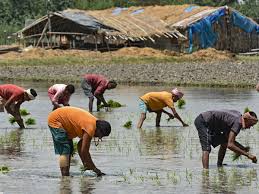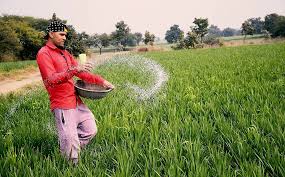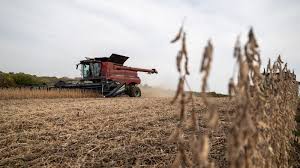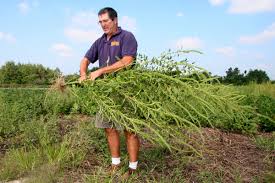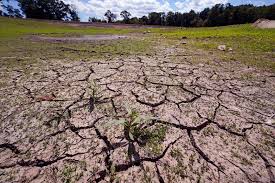
A severe drought has engulfed multiple regions, leaving farmers, communities, and local authorities struggling to cope with its far-reaching impacts. Prolonged dry spells, coupled with rising temperatures, have caused a sharp decline in water availability, threatening agriculture, livestock, and rural livelihoods.
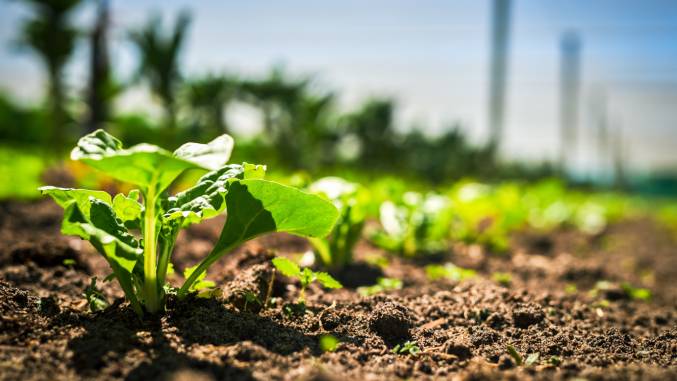
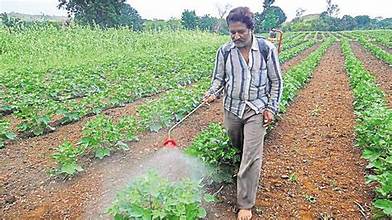
According to early assessments, crop yields of essential grains and vegetables have been hit hard, with many farmers reporting stunted growth and reduced harvests. Water bodies, including reservoirs and ponds, are shrinking rapidly, raising concerns about drinking water shortages in affected areas. Livestock herders are also facing a scarcity of fodder, leading to increased economic stress.
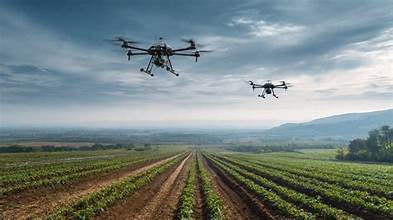
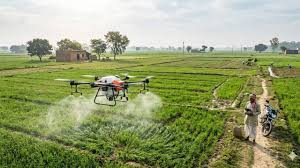
Experts attribute the drought to a combination of below-average monsoon rainfall and changing weather patterns linked to climate variability. Meteorological departments have issued advisories, urging farmers to adopt drought-resistant crop varieties and efficient irrigation practices to minimize losses.
Meanwhile, state governments and disaster relief agencies have begun rolling out contingency plans. Measures include water tankers for rural households, subsidies for micro-irrigation systems, and fodder depots for livestock. In addition, awareness campaigns are being launched to encourage water conservation at community levels.
Economists warn that if the drought persists, food prices could rise, putting additional pressure on households. However, officials remain hopeful that timely policy support and collective resilience can help mitigate the crisis.

 By
By