The global agricultural machinery market is undergoing a notable geographic shift, as emerging economies expand demand while some mature markets experience slowdowns. Recent industry data shows India reaching historic highs in tractor sales, underscoring its growing role in the global farm equipment landscape, while the United States has seen a decline in tractor demand amid changing market conditions.
India’s tractor market has posted record volumes, driven by rising mechanization, supportive government policies, and sustained demand from small and medium-sized farmers. Increased access to credit, rural infrastructure development, and the need to improve farm productivity have accelerated equipment adoption across key agricultural regions. Manufacturers have responded by expanding production capacity and introducing cost-effective, fuel-efficient models tailored to local farming needs.
The strong performance of India’s tractor sector reflects broader trends in developing agricultural economies, where mechanization remains a critical pathway to higher yields and labor efficiency. Analysts note that India’s market growth is also boosting exports, strengthening its position as a manufacturing and supply hub for tractors and farm machinery.
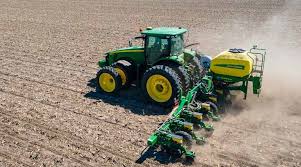
In contrast, the U.S. agricultural machinery market has faced headwinds. Higher interest rates, elevated input costs, and softer farm incomes have contributed to delayed equipment purchases. Many farmers are opting to extend the life of existing machinery rather than invest in new equipment, leading to lower sales volumes for tractors and related equipment.
Industry experts emphasize that the divergence highlights a rebalancing of global demand rather than a long-term contraction. While mature markets such as the U.S. experience cyclical slowdowns, emerging markets continue to drive growth through modernization and productivity gains.


 By
By