

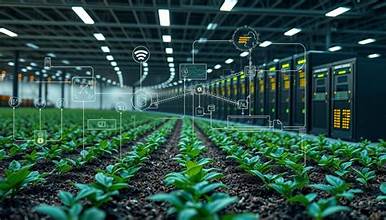
India’s agricultural sector is undergoing a technological shift as precision farming tools gain traction among progressive farmers. The adoption of drones, IoT-based sensors, and AI-powered monitoring systems is transforming traditional practices into data-driven operations, helping optimize input use and significantly improve crop productivity.
At the center of this transformation is the concept of Precision Agriculture, which focuses on using real-time data to make informed farm decisions. By analyzing variables such as soil moisture, nutrient levels, weather conditions, and crop health, farmers can apply inputs like water, fertilizers, and pesticides more efficiently—reducing costs while maximizing yields.
Agricultural drones are becoming one of the most visible tools in this transition. These unmanned aerial vehicles are used for crop surveillance, spraying fertilizers and pesticides, and even mapping farm areas. With high-resolution imaging and multispectral sensors, drones can detect early signs of pest attacks, nutrient deficiencies, or water stress, allowing timely intervention.
Similarly, IoT (Internet of Things) sensors installed in fields are enabling continuous monitoring of soil and environmental conditions. These sensors collect data on moisture levels, temperature, and humidity, which is then transmitted to mobile apps or cloud-based platforms. Farmers can access this information in real time and adjust irrigation schedules or nutrient application accordingly, ensuring optimal resource utilization.
Artificial intelligence is further enhancing decision-making by analyzing large datasets and generating predictive insights. AI-based platforms can forecast crop diseases, recommend suitable sowing times, and even estimate yield outcomes. This predictive capability reduces uncertainty and helps farmers plan more effectively in the face of changing climatic conditions.
The Government of India is actively supporting the adoption of smart farming technologies through various digital agriculture initiatives, subsidies, and pilot projects. Startups and agri-tech companies are also playing a crucial role by developing affordable and user-friendly solutions tailored to the needs of Indian farmers.
Despite the promising benefits, the adoption of these technologies is still at an early stage, particularly among small and marginal farmers. High initial costs, lack of technical knowledge, and limited access to digital infrastructure remain key barriers. However, increasing awareness, falling technology costs, and government support are expected to accelerate adoption in the coming years.
Experts believe that smart farming is not just about increasing productivity but also about ensuring sustainability. By minimizing the excessive use of water, fertilizers, and chemicals, these technologies contribute to environmental conservation while maintaining soil health.
As agriculture faces mounting challenges from climate change, resource scarcity, and market volatility, the rise of smart farming technologies offers a practical pathway toward resilience and efficiency. With continued innovation and inclusive implementation, precision agriculture is set to redefine the future of farming in India.


 By
By











