

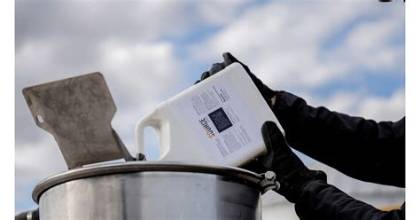
Sound Agriculture and Syngenta are collaborating to explore technologies that can help farmers reduce nitrogen fertilizer use while maintaining crop productivity, highlighting the growing role of nutrient-efficiency solutions in sustainable agriculture.
Nitrogen is one of the most important nutrients required for crop growth, but inefficient or excessive fertilizer application can increase production costs and contribute to environmental problems. When crops are unable to absorb all the nitrogen applied to fields, part of the nutrient can be lost through runoff, leaching or emissions, affecting soil, water and air quality.
The collaboration brings together Sound Agriculture’s biological nutrient-management technology with Syngenta’s agricultural research, product development and global market expertise. The partnership is focused on finding practical approaches that can help farmers improve nitrogen-use efficiency without compromising yields.
Making Better Use of Nitrogen
Sound Agriculture’s SOURCE technology is designed to activate beneficial soil microbes and improve the availability of nutrients to crops. According to the company, SOURCE can help plants access nitrogen and phosphorus already present in the soil, potentially allowing growers to reduce synthetic fertilizer applications while maintaining crop performance.
The approach is based on improving nutrient-use efficiency rather than simply increasing fertilizer application. This is becoming increasingly important as farmers face rising input costs and growing pressure to reduce agriculture’s environmental footprint.
Sound Agriculture’s current programmes also include fertilizer-replacement initiatives that encourage eligible growers to reduce nitrogen and phosphorus applications while using its biological products.
Why Nitrogen Efficiency Matters
Nitrogen fertilizer has played a major role in increasing global agricultural productivity. However, crops do not absorb all the nitrogen applied to fields. Poorly timed or excessive applications can result in nutrient losses and reduce the economic efficiency of fertilizer use.
Improving nitrogen-use efficiency can therefore provide a double benefit. Farmers may be able to reduce input costs while maintaining yields, while lower nitrogen losses could contribute to improved environmental outcomes.
The issue is particularly important for major crops such as maize, wheat and rice, where nitrogen fertilizer is widely used to support productivity.
Combining Biological and Agronomic Expertise
The collaboration between Sound Agriculture and Syngenta reflects a broader shift in agriculture toward integrated nutrient-management solutions. Rather than relying on a single technology, future farming systems are increasingly expected to combine biological products, improved crop management, precision agriculture and better data.
Syngenta has been expanding its work in agricultural innovation and digital technologies, including collaborations aimed at improving crop health and climate resilience.
For farmers, the ultimate objective is to produce more efficiently while using fewer resources. Technologies that improve the way crops access and utilize nutrients could become an important part of this transition.
A Step Toward Sustainable Fertilizer Management
The partnership comes at a time when agriculture is under increasing pressure to balance food production with environmental sustainability. Reducing unnecessary nitrogen use could help lower fertilizer costs and reduce nutrient losses, while maintaining productivity remains essential for food security.
However, the success of such technologies will depend on their performance across different soils, crops, climates and farming systems. Independent field validation and practical farmer experience will remain important in determining where and how these solutions deliver the greatest benefits.
As agriculture moves toward more resource-efficient production, collaborations such as this one could accelerate the development of technologies designed to reduce fertilizer dependence, improve nutrient efficiency and support sustainable crop production without sacrificing yields.


 By
By











