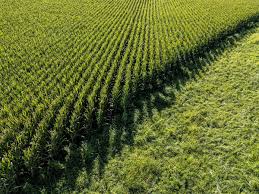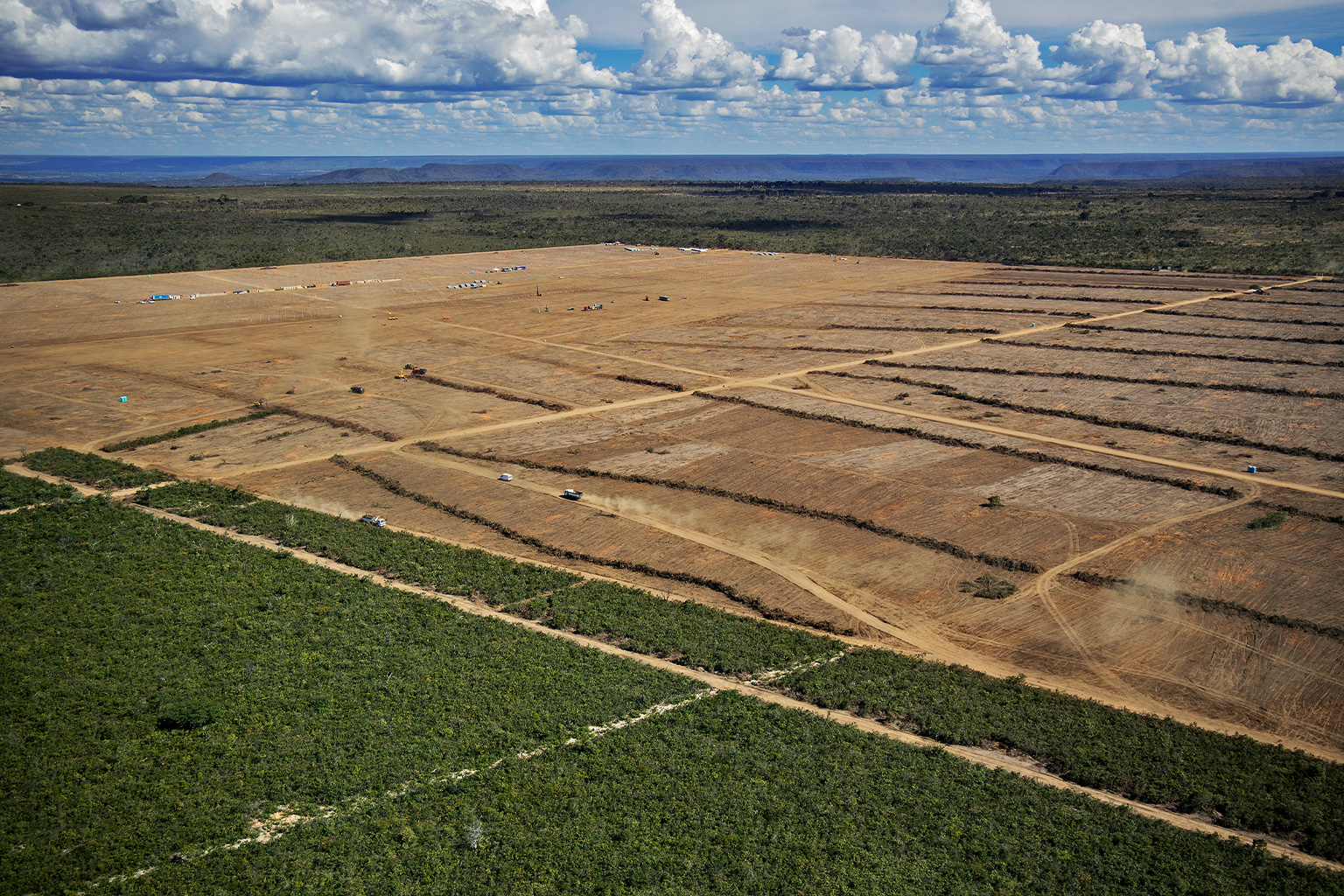
The rapid expansion of soy cultivation in Brazil’s Amazon and Cerrado regions is raising alarms among environmental experts, as new plantations are increasingly linked to deforestation and habitat loss. The growth is particularly concentrated in frontier areas near roads, ports, and other infrastructure, facilitating access but also accelerating ecological impact.
While soy production contributes significantly to Brazil’s agricultural economy and global food supply, analysts warn that unchecked expansion could have long-term environmental consequences, including biodiversity loss, soil degradation, and increased greenhouse gas emissions.
“Proximity to infrastructure makes frontier lands economically attractive for soy farming, but this comes at a serious ecological cost,” said an environmental researcher. “Sustainable land management practices are urgently needed to balance agricultural growth with conservation.”
Government and industry stakeholders are under pressure to adopt stricter monitoring, enforce anti-deforestation policies, and incentivize sustainable agricultural practices. Experts emphasize that integrating agricultural expansion with environmental safeguards is crucial to preserving Brazil’s unique ecosystems while supporting the country’s role in global soy markets.
The situation highlights the ongoing challenge of meeting global food demand without compromising critical natural habitats, underscoring the need for responsible planning and policy interventions in Brazil’s key agricultural regions.


 By
By