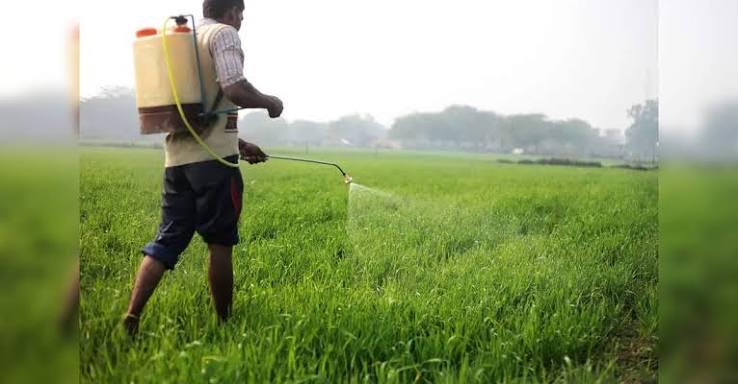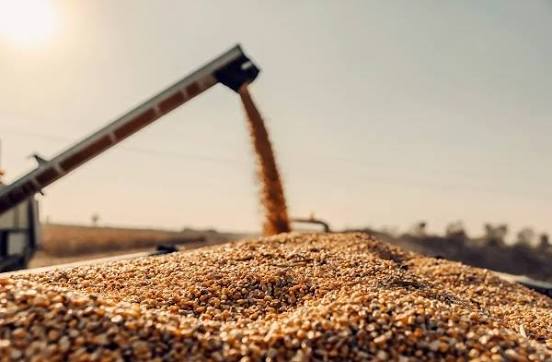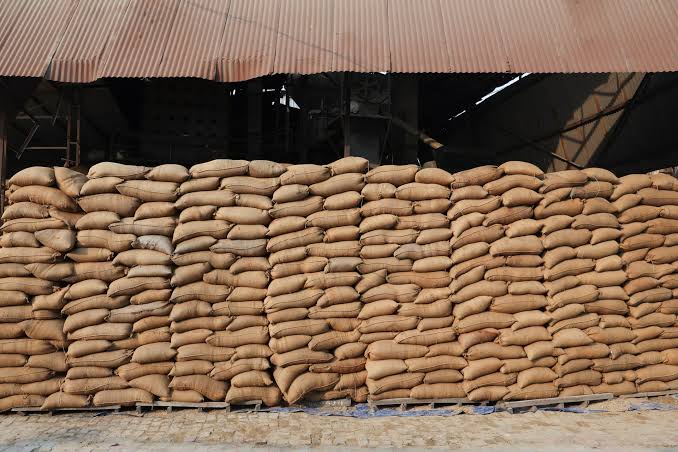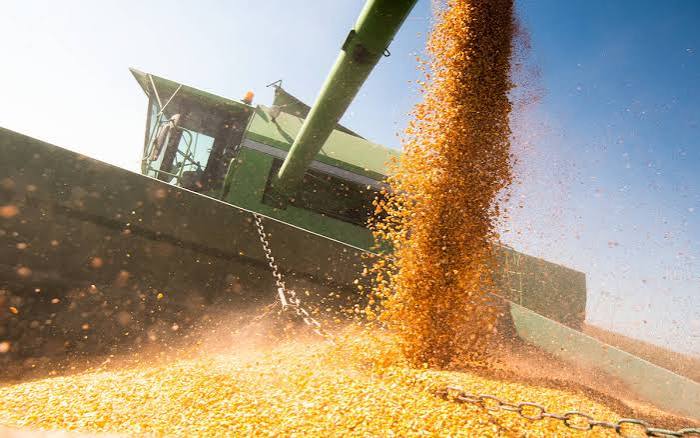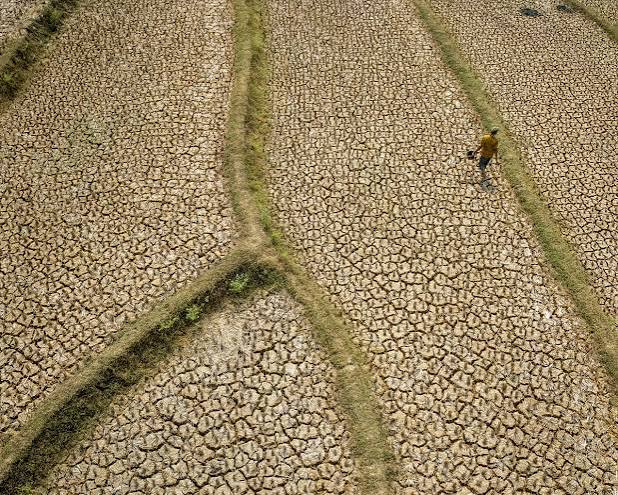
The developing El Niño climate phenomenon is raising concerns across the global agricultural sector, with changing rainfall patterns and temperature abnormalities creating potential risks for crop production in several major farming regions. Climate assessments indicate that the weather phenomenon could increase the likelihood of drought in some areas while bringing excessive rainfall and flooding to others during the 2026/27 growing season.
El Niño is a naturally occurring climate pattern associated with warmer-than-normal sea surface temperatures in the central and eastern tropical Pacific Ocean. It influences atmospheric circulation and can alter seasonal rainfall and temperature patterns across different parts of the world. Its effects vary by region, making agricultural planning particularly challenging for farmers and policymakers.
Southern Africa Faces Potential Rainfall Shortages
Southern Africa is among the regions being closely monitored for possible agricultural impacts. Reduced rainfall and prolonged dry conditions could affect soil moisture, planting schedules and crop development, particularly in areas dependent on rain-fed agriculture.
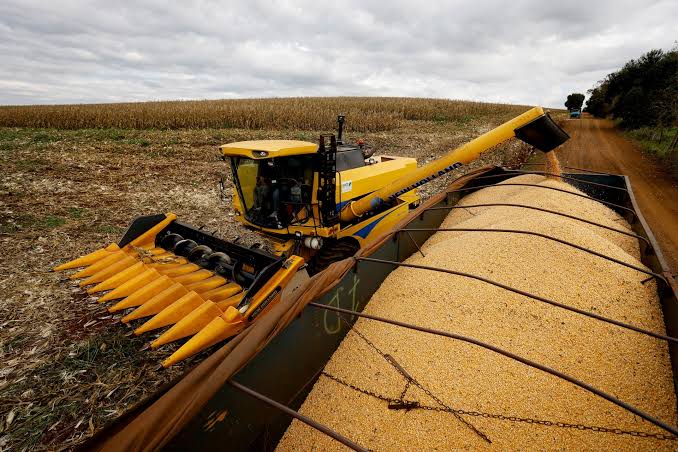
Maize, an important staple food across much of the region, is especially vulnerable to irregular rainfall during critical stages of crop growth. Insufficient soil moisture can reduce germination, restrict plant development and ultimately affect yields.
Farmers may also face additional difficulties in maintaining livestock production if dry conditions reduce pasture growth and water availability.
East Africa and Latin America Face Different Weather Challenges
Parts of East Africa are also experiencing agricultural production challenges associated with changing weather conditions. Rainfall variability can disrupt farming calendars, affect planting decisions and increase uncertainty for smallholder farmers.
Meanwhile, several agricultural areas in Latin America have faced drought-related pressures affecting maize and bean production. These crops are important for both domestic food supplies and regional agricultural markets.
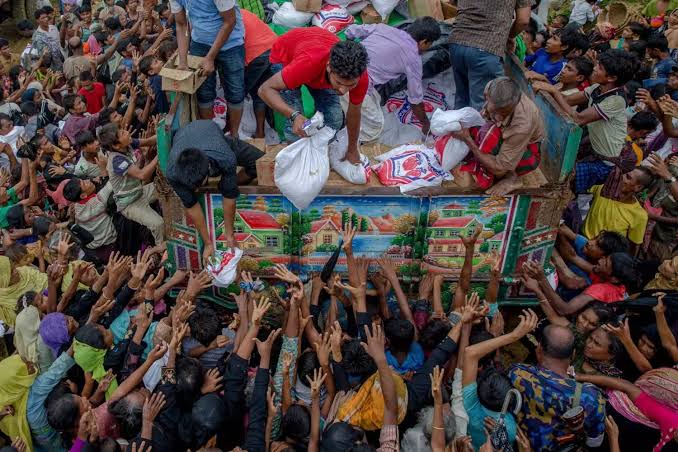
Reduced harvests can affect household food availability, increase local market prices and create additional pressure on farming communities that depend heavily on seasonal crop production.
Rice, Wheat and Maize Production Under Observation
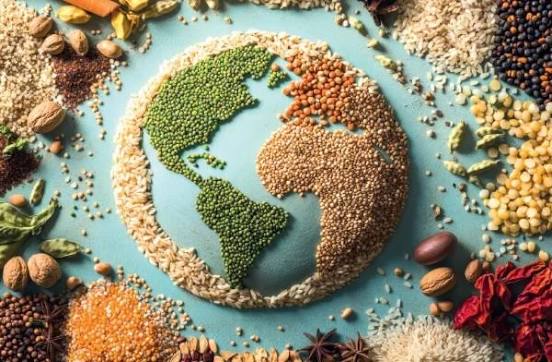
Agricultural experts are closely monitoring the potential effects of El Niño on major food crops during the 2026/27 growing season.
Rice production is particularly sensitive to water availability, especially in regions where cultivation depends on irrigation and predictable rainfall. Changes in monsoon patterns and water resources could influence planting decisions and crop productivity.
Wheat production may also face weather-related challenges, including unusual temperatures and changes in rainfall during important growth stages. Similarly, maize production could be affected by prolonged dry spells, excessive heat and irregular precipitation.
The actual impact will depend on regional climate conditions, crop varieties, irrigation infrastructure and the timing of weather disturbances.
Food Security and Agricultural Markets Could Face Additional Pressure
Weather-related production losses in major agricultural regions can have consequences beyond individual farming communities. Reduced harvests may tighten commodity supplies, influence international trade and increase price volatility in global food markets.
Developing countries with limited irrigation infrastructure and high dependence on rain-fed agriculture may face greater difficulties in managing these risks.
Governments and agricultural organizations are therefore emphasizing the importance of climate monitoring, timely weather advisories, efficient irrigation systems and access to suitable crop varieties.
Climate Preparedness Becomes Increasingly Important
The developing El Niño situation highlights the importance of strengthening climate resilience in agriculture. Farmers can reduce potential losses through appropriate planting decisions, water conservation, crop diversification and improved soil management.
Early-warning systems and reliable seasonal forecasts can also help governments prepare agricultural support programmes and manage potential food supply disruptions.
As the 2026/27 growing season progresses, the intensity and regional distribution of El Niño-related weather conditions will remain important factors in determining global crop production prospects and food security.

 By