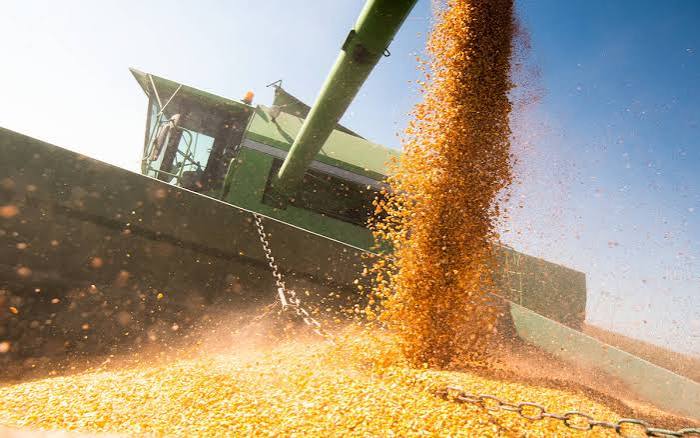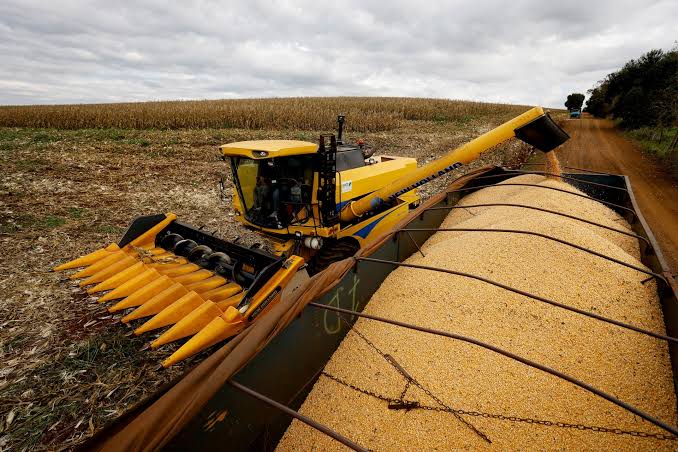
Brazil’s rapidly expanding corn ethanol industry is creating fresh opportunities for the country’s livestock sector by increasing the availability of protein-rich animal feed ingredients. The growth in ethanol production is generating larger volumes of dried distillers grains (DDGS), a valuable by-product that is increasingly being used in commercial cattle feeding operations.
The development is strengthening the relationship between biofuel manufacturing and livestock production, while creating additional economic value from agricultural raw materials. As Brazil expands its corn-based ethanol capacity, the growing supply of DDGS is helping cattle producers diversify their feed sources and support the expansion of intensive livestock farming.
According to the available industry figures, DDGS production in Brazil has increased dramatically over the past several years. Output rose from approximately 280,000 tonnes in the 2017–18 season to more than 4.8 million tonnes in 2025–26. Production is projected to increase further to around 5.71 million tonnes in the next season.
This rapid growth reflects the expansion of corn ethanol processing facilities and the increasing integration of agricultural and industrial supply chains in Brazil.
DDGS Emerges as an Important Cattle Feed Ingredient
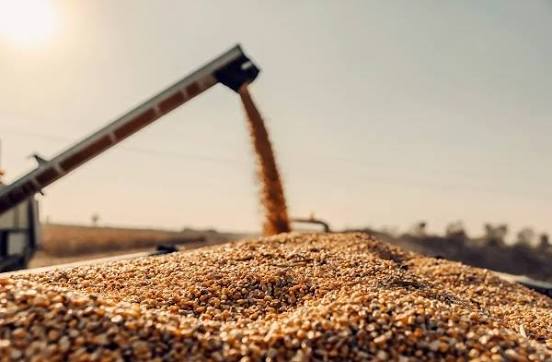
Dried distillers grains are produced during the process of converting corn into ethanol. After starch is used in fermentation to produce alcohol, the remaining material retains valuable nutrients, including protein, fibre and other components that can be incorporated into livestock feed.
For cattle producers, DDGS offers an alternative feed ingredient that can help balance animal diets and reduce dependence on conventional feed materials. Its nutritional composition makes it particularly useful in feedlot operations, where cattle are raised under controlled feeding conditions to achieve efficient weight gain.
The increasing availability of domestically produced DDGS could also help livestock businesses manage feed procurement more effectively. However, its suitability and inclusion levels depend on nutritional quality, animal requirements and the overall formulation of cattle rations.
Corn Ethanol Growth Supports Livestock Expansion
Brazil has emerged as an important producer of corn-based ethanol, adding another dimension to its agricultural economy. Traditionally, corn has been associated primarily with food, animal feed and export markets. Its growing use in ethanol production is creating additional demand for processing infrastructure and generating valuable co-products.
The expansion of ethanol plants is therefore benefiting more than the biofuel industry. It is also supporting the development of animal nutrition businesses, feed manufacturing and commercial livestock production.
The increasing availability of DDGS can improve the integration of crop production, industrial processing and cattle farming. This approach allows agricultural resources to generate value across multiple sectors instead of relying on a single end market.
A Growing Connection Between Biofuels and Food Production
Brazil’s experience demonstrates how biofuel production can contribute to the development of interconnected agricultural industries. Ethanol plants generate renewable fuel while producing ingredients that can be used in livestock nutrition.
For cattle producers, access to alternative feed resources could create opportunities to improve operational efficiency and support larger feedlot operations. For ethanol manufacturers, the sale of DDGS provides an additional revenue stream and improves the commercial value of corn processing.
With DDGS production projected to reach 5.71 million tonnes in the coming season, Brazil’s corn ethanol industry is expected to play an increasingly important role in the country’s animal feed supply chain.
The continued growth of this sector will depend on ethanol demand, corn availability, processing capacity and the economics of livestock feeding. Nevertheless, the expanding DDGS market highlights the potential of integrating renewable energy production with commercial agriculture and animal nutrition.

 By