agricultural commodities have remained below announced targets, raising questions about the effectiveness of these agreements.
According to a Reuters analysis, trade arrangements involving major Asian economies have created expectations of stronger demand for US agricultural products. However, the implementation of several commitments has been slower than anticipated, highlighting the gap between trade announcements and actual commercial transactions.
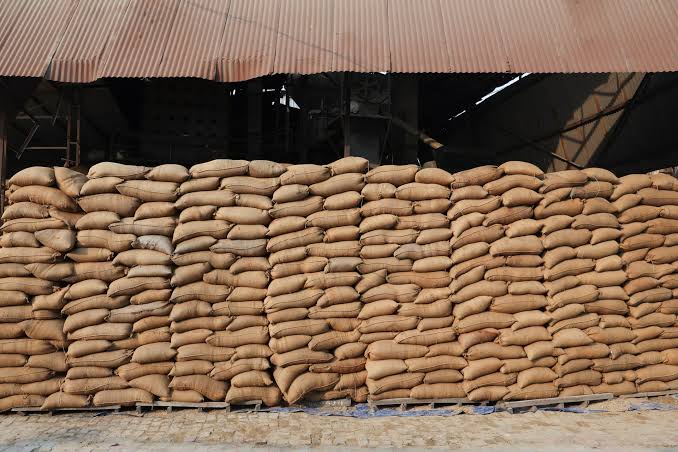
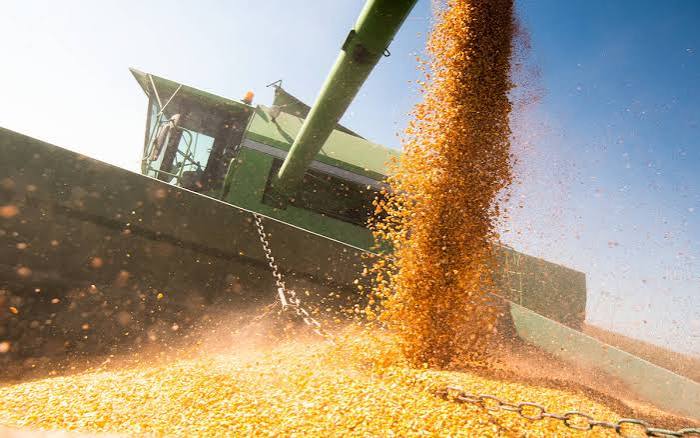
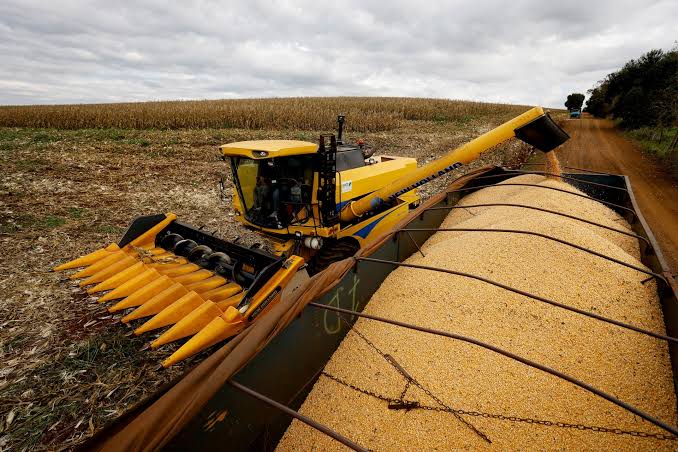
China remains a major focus of US agricultural export expectations. The country is expected to purchase approximately 25 million metric tonnes of American soybeans in 2026. Such purchases would represent a significant development for US soybean producers, given China’s importance as one of the world’s largest soybean importers.
However, the outlook for other American agricultural products is less encouraging. Purchases of several commodities have reportedly remained below the levels suggested by earlier trade commitments. This has created uncertainty among agricultural exporters who were expecting broader improvements in market access following the agreements.
Asian Trade Commitments Face Implementation Hurdles
Apart from China, the United States has also pursued agricultural trade commitments with countries including Indonesia, Malaysia and Bangladesh. These arrangements were expected to create additional opportunities for American farmers, exporters and agricultural businesses.
However, translating these commitments into actual imports has presented challenges. Differences in domestic market requirements, import regulations, purchasing arrangements and implementation procedures can influence how quickly trade agreements produce measurable results.
For agricultural exporters, an announced commitment does not necessarily guarantee immediate purchases. Actual trade depends on factors such as competitive pricing, consumer demand, currency movements, transportation costs and the availability of suitable import arrangements.
These considerations are particularly important in Asian markets, where agricultural imports are influenced by domestic production levels, food consumption patterns and government trade policies.
US Farmers Look for Greater Market Certainty
The uncertainty surrounding export commitments is significant for American farmers, especially soybean growers and producers of other agricultural commodities. Export demand plays an important role in determining farm income, commodity prices and marketing decisions.
When major trade commitments are delayed or partially implemented, exporters may need to identify alternative markets or adjust their sales strategies. This can also affect storage decisions, transportation planning and expectations for future crop prices.
The development comes at a time when international agricultural trade is influenced by geopolitical tensions, changing import policies and competition among major exporting countries.
Global Agricultural Trade Remains Uncertain
The situation highlights an important challenge in international agricultural commerce: trade agreements must be supported by practical implementation, consistent purchasing arrangements and reliable market access to deliver their intended benefits.
For the United States, strengthening agricultural exports to Asian markets will require continued engagement with trading partners and efforts to address barriers affecting actual purchases.
For Asian importing countries, diversifying agricultural suppliers and maintaining affordable food supplies remain important considerations.
Ultimately, the difference between announced commitments and completed agricultural purchases will remain a key factor in assessing the success of US trade agreements. The performance of soybean and other agricultural exports during 2026 could provide a clearer indication of whether these agreements are delivering the expected commercial benefits to American agriculture.

 By