

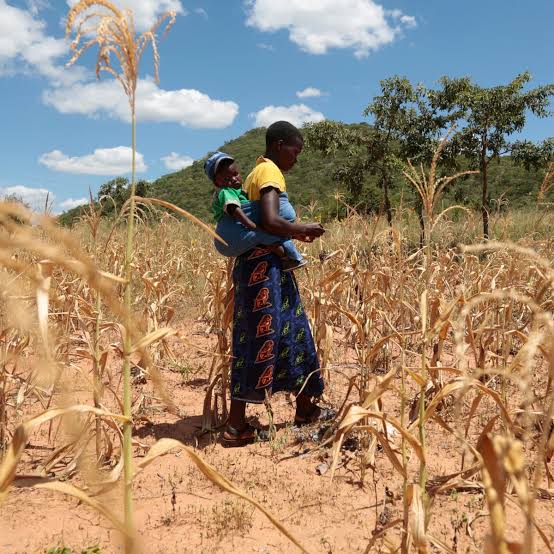
A rapidly strengthening El Niño weather phenomenon is emerging as one of the biggest threats to global food security, with the United Nations World Food Programme (WFP) warning that as many as 50 million additional people could fall into acute hunger before the end of 2027. The agency cautioned that the climate event is expected to severely disrupt agricultural production across Africa, Asia, and Latin America, placing millions of vulnerable communities at greater risk of food shortages and rising prices.
According to the WFP, El Niño is already beginning to influence global weather patterns, increasing the likelihood of prolonged droughts, extreme heat, floods, and irregular rainfall in many agricultural regions. These changing climate conditions are expected to reduce crop yields, damage livestock production, and disrupt rural livelihoods, particularly in countries that depend heavily on rain-fed agriculture.
Agriculture remains the backbone of many developing economies, employing millions of people while serving as the primary source of food and income. However, unpredictable weather linked to El Niño threatens staple crops such as maize, rice, wheat, sorghum, and beans. Farmers may experience delayed planting seasons, poor germination, reduced harvests, and increased crop losses due to water stress or excessive rainfall.
The WFP emphasized that the humanitarian consequences could be severe, particularly for populations already struggling with conflict, economic instability, and high food prices. Many regions facing food insecurity are simultaneously coping with inflation, supply chain disruptions, and limited access to agricultural inputs, leaving households with fewer resources to absorb additional climate-related shocks.
In sub-Saharan Africa, prolonged dry conditions could significantly reduce cereal production and pasture availability, affecting both crop farmers and livestock keepers. Water shortages may also limit irrigation, increasing competition for scarce natural resources and raising concerns about rural livelihoods.
Across Asia, changing monsoon patterns linked to El Niño may reduce rice production in several major agricultural regions while increasing the risk of drought in some countries and flooding in others. Given Asia’s role as one of the world’s largest producers and consumers of rice, any disruption to production could influence regional and global food markets.
Latin America is also expected to face significant agricultural challenges. Reduced rainfall in parts of Central and South America may affect coffee, maize, soybean, and sugar production, while extreme weather events could increase the frequency of crop failures and soil degradation. Smallholder farmers, who often lack access to irrigation, crop insurance, or financial support, remain among the most vulnerable groups.
Beyond agricultural production, the WFP warned that declining harvests could trigger higher global food prices, placing additional pressure on consumers and governments alike. Rising prices for staple foods often have the greatest impact on low-income households, which spend a large share of their income on food. Increased food inflation may also worsen malnutrition, particularly among children and pregnant women in vulnerable communities.
Climate experts note that while El Niño is a naturally occurring weather pattern, its impacts are becoming more severe due to rising global temperatures and changing climate conditions. The combination of extreme weather events and existing economic pressures could create a prolonged humanitarian challenge extending well beyond 2027 if adequate preparedness measures are not implemented.
The WFP has called for urgent international cooperation to strengthen food systems and improve resilience against climate shocks. Recommended actions include expanding early warning systems, investing in climate-smart agriculture, improving irrigation infrastructure, supporting drought-resistant crop varieties, and increasing humanitarian assistance for populations at greatest risk.
The agency also urged governments and development partners to strengthen social protection programmes and ensure timely support for farmers before climate impacts intensify. Early intervention, the WFP said, can significantly reduce the human and economic costs of food crises.
As El Niño continues to strengthen, global food security experts stress that coordinated action, climate adaptation, and sustained investment in resilient agriculture will be critical to preventing millions more people from slipping into hunger and protecting the world’s most vulnerable populations from a deepening food crisis.


 By
By











