

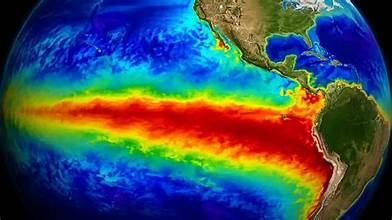
The possibility of a powerful El Niño weather event is creating fresh uncertainty for some of the world’s most important tropical agricultural commodities, including cocoa, coffee and sugar. If the climate pattern strengthens, changing rainfall and temperature conditions could disrupt production in several major growing regions and put additional pressure on global supplies.
El Niño is a naturally occurring climate phenomenon linked to warmer-than-normal sea surface temperatures in the central and eastern Pacific Ocean. Its effects can extend far beyond the Pacific, influencing rainfall, temperatures and weather patterns across different parts of the world.
Agricultural markets are particularly sensitive to these changes because cocoa, coffee and sugarcane require specific combinations of moisture, temperature and sunlight. Prolonged drought or excessive rainfall at critical stages of crop development can reduce yields and affect crop quality.
In Southeast Asia, increased dryness could create difficulties for agricultural producers, particularly in areas already experiencing water stress. Cocoa and coffee plantations can be vulnerable to extended periods of insufficient rainfall, which may affect flowering, fruit development and overall plant health.
Southern Africa and Australia could also experience significant weather-related challenges. Drier conditions in farming regions may increase pressure on irrigation resources and raise the risk of lower crop productivity. Sugarcane production, in particular, depends heavily on adequate water availability, making rainfall patterns an important factor for farmers and commodity markets.
At the same time, some parts of the world could face the opposite problem. Excessive rainfall can cause waterlogging, soil erosion, fungal diseases and difficulties in harvesting and transporting crops. For cocoa and coffee producers, heavy rains during sensitive periods can damage flowers and fruits and create conditions favourable for disease outbreaks.
The potential impact is not limited to farmers. Cocoa, coffee and sugar are deeply connected to international food and beverage supply chains. Any significant decline in production could contribute to tighter supplies and increased price volatility. Food manufacturers, traders and consumers may therefore feel the effects if weather disruptions persist.
However, the final impact of El Niño will depend on its intensity, duration and regional influence. Weather conditions can vary considerably between countries and even between neighbouring agricultural areas. Farmers, governments and commodity companies are therefore closely monitoring forecasts and preparing for possible disruptions.
For growers, measures such as improved water management, drought-tolerant varieties, soil conservation and better weather monitoring could help reduce risks. Strengthening agricultural resilience will become increasingly important as producers face greater climate variability.
With global demand for cocoa, coffee and sugar continuing to remain strong, any major weather-related production shock could have wider consequences for international commodity markets. The developing El Niño situation is therefore likely to remain an important factor for farmers, traders and the global food industry in the months ahead.


 By
By











