

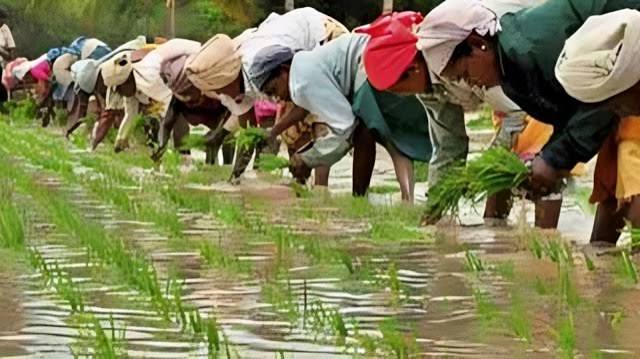
The Government of Tamil Nadu has unveiled its 2026–27 Agriculture Budget, placing a strong emphasis on climate-resilient farming, modern irrigation systems, renewable energy, organic agriculture, crop insurance, and the strengthening of Farmer Producer Organizations (FPOs). The comprehensive budget aims to improve agricultural productivity, enhance farmers’ incomes, and build a more sustainable and resilient farming sector capable of adapting to changing climatic conditions.
The budget reflects the state’s long-term strategy to address the growing challenges posed by climate change, water scarcity, rising production costs, and market uncertainties. By focusing on sustainable agricultural practices and technological innovation, the government seeks to ensure food security while promoting environmentally responsible farming across Tamil Nadu.
A major highlight of the budget is the promotion of climate-resilient agriculture. The state plans to encourage farming practices that can withstand irregular rainfall, prolonged droughts, extreme temperatures, and other climate-related risks. Agricultural experts believe that investing in resilient farming systems will help safeguard crop production and reduce the vulnerability of farmers to increasingly unpredictable weather patterns.
Water management has emerged as another key priority. The government has announced initiatives to strengthen irrigation infrastructure, improve water-use efficiency, and promote micro-irrigation technologies such as drip and sprinkler systems. These measures are expected to maximize water conservation while ensuring reliable irrigation for farmers, particularly in drought-prone districts where efficient water management has become essential for sustaining agricultural production.
The budget also places significant emphasis on solar-powered agriculture, encouraging the adoption of renewable energy solutions to reduce farmers’ dependence on conventional electricity and diesel-powered irrigation pumps. Solar-powered irrigation systems are expected to lower operating costs, improve energy security, and contribute to the state’s broader environmental sustainability goals. Officials believe that expanding renewable energy use in agriculture will help farmers reduce production expenses while supporting India’s clean energy transition.
Organic farming has received renewed attention under the 2026–27 budget. The government plans to expand support for farmers adopting chemical-free cultivation methods through training, certification, input assistance, and improved market access. Growing consumer demand for organic food both within India and internationally has created new opportunities for farmers, and policymakers aim to position Tamil Nadu as a leading producer of high-quality organic agricultural products.
Recognizing the increasing risks associated with climate variability, the government has proposed an expansion of crop insurance coverage to provide greater financial protection for farmers. Enhanced insurance programs are intended to help producers recover from losses caused by drought, floods, cyclones, pest attacks, and other natural disasters. Agricultural organizations have welcomed the move, noting that stronger insurance coverage can improve farm resilience and encourage continued investment in agriculture despite growing climate risks.
Another major focus of the budget is the strengthening of Farmer Producer Organizations (FPOs). The government plans to provide institutional support, capacity-building programs, financial assistance, and improved market linkages to enable FPOs to aggregate produce, negotiate better prices, reduce marketing costs, and increase farmers’ bargaining power. Stronger producer organizations are expected to improve rural incomes while enhancing the competitiveness of small and marginal farmers.
The budget also includes investments in agricultural mechanization, digital farming technologies, extension services, research, and skill development. These initiatives aim to improve farm productivity by promoting precision agriculture, better resource management, and faster adoption of innovative technologies. Agricultural universities and research institutions are expected to play a greater role in developing climate-resilient crop varieties and sustainable farming practices suited to local conditions.
Industry experts have praised the balanced approach adopted in the new agriculture budget, highlighting its focus on economic growth, environmental sustainability, and farmer welfare. They believe that integrating climate adaptation with infrastructure development, renewable energy, and institutional strengthening will help build a more resilient agricultural economy capable of meeting future challenges.
As agriculture continues to face increasing pressure from climate change and resource constraints, Tamil Nadu’s 2026–27 Agriculture Budget represents a forward-looking strategy to modernize farming while protecting natural resources and improving rural livelihoods. By investing in climate-smart agriculture, efficient irrigation, renewable energy, crop insurance, organic farming, and Farmer Producer Organizations, the state aims to create a sustainable agricultural model that supports both farmers and long-term food security.


 By
By











