In a joint effort to strengthen food security and public health, U.S. Secretary of Agriculture Brooke L. Rollins and the Secretary of Health and Human Services have co-authored a national opinion piece urging reforms to the Supplemental Nutrition Assistance Program (SNAP). The leaders advocate for stronger retailer stocking standards to ensure that families across the United States have reliable access to nutritious and affordable foods.
The op-ed emphasizes that while SNAP remains the nation’s largest anti-hunger program, its effectiveness depends heavily on the availability of healthy food options at participating retail outlets. Rollins and the HHS Secretary argue that existing stocking requirements are unevenly implemented, particularly in underserved rural and urban communities where grocery options are limited.
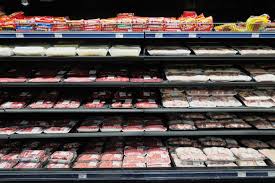
According to the two Cabinet leaders, strengthening standards would require SNAP-authorized retailers to consistently stock a wider range of fresh fruits, vegetables, whole grains, lean proteins, and other nutrient-rich products. They contend that this shift would not only improve dietary quality for low-income households but also support better long-term health outcomes, reducing chronic disease risks tied to poor nutrition.
The opinion piece also highlights disparities in food access, noting that millions of Americans—especially children—live in areas commonly described as food deserts. In many of these communities, the closest SNAP retailers offer limited healthy choices, forcing families to rely on processed and calorie-dense foods. The proposed reforms aim to close this gap by aligning the availability of nutritious foods with the program’s core mission of improving dietary well-being.
Rollins and the HHS Secretary call on Congress, state agencies, and retail partners to collaborate in modernizing SNAP rules. They note that retailers play a crucial role in shaping national food environments and must be encouraged to maintain healthier inventories.
The joint appeal marks a significant step in federal efforts to integrate nutrition policy, public health, and food system equity. If adopted, the enhanced standards could reshape how food assistance programs influence everyday eating habits across the country.


 By
By