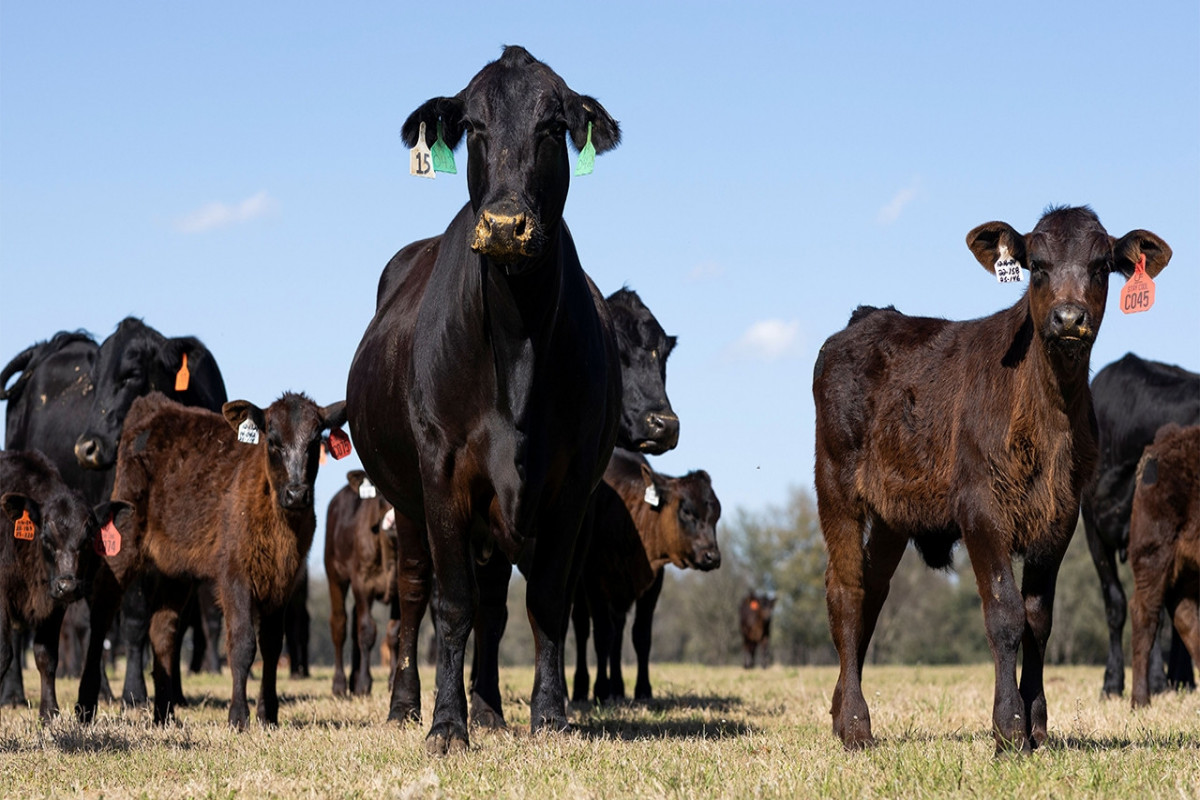
After a long pause, the United States and Mexico have officially resumed the import and export of cattle across their shared border. This reopening marks a significant step forward for both nations’ livestock industries and is expected to boost trade, benefit ranchers, and strengthen agricultural ties between the two countries.
The trade had been limited in recent years due to concerns over animal health and regulatory standards. However, after extended negotiations and improvements in inspection procedures and disease control measures, officials from both governments have agreed to allow cattle shipments to resume under updated protocols.
According to U.S. Department of Agriculture (USDA) sources, Mexican cattle imports will now be subject to stringent health checks to ensure they meet U.S. safety standards. These include vaccination records, disease testing, and veterinary certifications. Similarly, cattle exported from the U.S. to Mexico must also comply with Mexican regulations aimed at protecting livestock health.
The reopening is especially important for ranchers in border states like Texas, Arizona, and New Mexico, where cross-border cattle trade has long played a vital economic role. Industry experts predict that the resumed cattle movement could lead to increased market supply, competitive prices, and more options for meat processors.
Livestock associations on both sides of the border have welcomed the move, noting that it reflects improved cooperation and shared commitment to animal health and food security.
With this new agreement, both the U.S. and Mexico are signaling a willingness to work closely on agricultural trade, ensuring that future disruptions are minimized and that livestock producers can rely on a stable and transparent trading system.
This development is seen not only as an economic opportunity but also as a sign of restored trust between two of North America’s biggest agricultural partners.

 By
By