

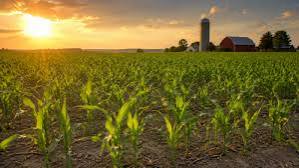
The condition of the U.S. corn crop remains under close watch as farmers and grain markets assess the impact of weather on the 2026 growing season. The latest USDA Crop Progress report for the week ending August 2, 2026, shows that 61% of the U.S. corn crop in the 18 major reporting states was rated good to excellent, highlighting continued concerns over crop development as the season moves into a critical stage.
The weekly assessment is particularly important because August is a crucial month for U.S. corn. Weather conditions during this period can have a significant influence on grain filling and final yields. With much of the crop approaching or moving through reproductive stages, adequate moisture and favourable temperatures remain essential.
Weather Remains the Biggest Risk
Weather continues to be one of the most important factors determining the outlook for the 2026 U.S. corn crop. Corn’s water requirements increase substantially during reproductive development, meaning periods of excessive heat or insufficient rainfall can quickly place crops under stress.
The USDA has previously noted that weather stress during critical reproductive stages can have a greater impact on final yields than stress during earlier vegetative growth.
Farmers and traders are therefore closely monitoring rainfall patterns and temperature forecasts across the major Corn Belt states. Conditions can vary considerably from one region to another, making national crop ratings only one part of the broader production picture.
Crop Ratings Provide an Important Signal
The latest USDA assessment offers an important snapshot of crop health but does not represent a final yield forecast. Crop conditions can change significantly during August depending on weather conditions.
The USDA’s weekly Crop Progress reports provide state-level assessments of corn condition, covering 18 major producing states that together accounted for 91% of U.S. corn acreage planted in 2025.
The good-to-excellent rating of 61% indicates that a majority of the assessed crop remains in relatively favourable condition, but it also means a substantial share is rated fair, poor or very poor.
August Weather Could Prove Decisive
The next several weeks could be particularly important for yield prospects. Corn requires sufficient moisture during pollination and grain-filling stages, while excessive heat can increase water demand and accelerate crop development.
A timely rainfall pattern could support grain formation and help maintain yield potential. Conversely, prolonged heat and dryness could reduce kernel development and ultimately lower production.
This weather sensitivity is one reason agricultural markets closely follow weekly USDA reports. Any significant change in crop ratings can influence expectations for total production, supplies and prices.
Impact on Global Grain Markets
The United States is one of the world’s largest corn producers and exporters, making the condition of its crop important for international grain markets.
A strong U.S. harvest could support global supplies and help limit upward pressure on corn prices. However, a significant decline in yield expectations could tighten the global balance sheet and increase competition among importers.
Higher corn prices could also affect livestock and poultry producers because maize is widely used as animal feed. Ethanol demand represents another important component of the U.S. corn market.
Farmers and Traders Await Further Updates
The USDA’s weekly reports will remain closely watched as the crop progresses toward maturity. Future assessments will provide additional information on whether current conditions are improving, deteriorating or remaining stable.
For farmers, the priority is to protect crops through the final stages of development. For traders and international buyers, the focus will be on determining whether current crop conditions are consistent with expectations for a large U.S. harvest.
The 2026 U.S. corn outlook therefore remains highly dependent on weather. While the latest report shows that a majority of the crop is in good-to-excellent condition, the growing season is not over yet.
With August weather capable of significantly influencing final yields, rainfall, temperatures and crop conditions across the Corn Belt will remain under intense scrutiny in the weeks ahead. The next USDA assessments could provide crucial clues about the size of the eventual harvest and the direction of global corn markets.


 By
By











