

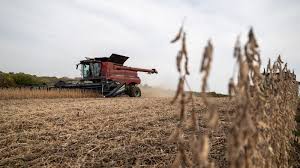
U.S. farmers are making significant changes to their planting decisions in 2026, reducing corn acreage and increasing soybean cultivation in response to rising fertilizer costs driven by ongoing geopolitical tensions. The shift reflects a broader adjustment in farming strategies as producers seek to manage input expenses while maintaining profitability.
Corn, one of the most widely grown crops in the United States, requires substantial amounts of nitrogen-based fertilizers to achieve high yields. However, the prices of these fertilizers have surged in recent years due to supply chain disruptions and geopolitical conflicts affecting key exporting regions. As a result, many farmers are finding corn production increasingly expensive and are opting for alternatives that require fewer inputs.
Soybeans have emerged as the preferred substitute. Unlike corn, soybean crops require significantly less nitrogen fertilizer because they naturally fix nitrogen in the soil through symbiotic bacteria. This makes soybeans a more cost-effective option in times of high fertilizer prices. Additionally, strong global demand for soybean products, including animal feed and vegetable oil, is encouraging farmers to expand acreage.
Agricultural analysts note that this shift could have important implications for both domestic and global markets. A reduction in corn production may tighten supply, potentially driving up prices for corn-based products such as livestock feed, ethanol, and processed foods. On the other hand, an increase in soybean output could stabilize or even lower soybean prices, depending on global demand.
The trend also highlights the growing influence of global events on local farming decisions. Geopolitical tensions, particularly those affecting energy and fertilizer markets, are reshaping agricultural economics and forcing farmers to adapt quickly. This dynamic underscores the interconnected nature of modern agriculture, where international developments can directly impact planting choices on American farms.
While the move toward soybeans may provide short-term financial relief, experts caution that crop diversification and sustainable practices remain essential. Over-reliance on a single crop could create new challenges, including pest pressures and market volatility.
Overall, the shift from corn to soybeans reflects a strategic response by U.S. farmers to rising input costs and uncertain market conditions. As the 2026 growing season unfolds, these changes will play a key role in shaping agricultural production trends and global commodity markets.


 By
By











