

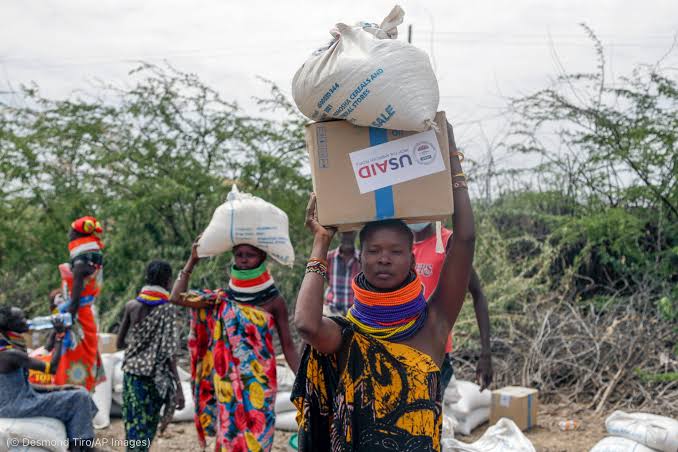
The United States has resumed food aid shipments to Kenya under its restored Food for Peace program, marking a significant step in addressing the growing humanitarian and food security challenges in East Africa. The latest shipments of American-grown agricultural commodities are expected to provide life-saving assistance to more than one million people facing acute food insecurity, as prolonged drought, climate shocks, and economic pressures continue to affect vulnerable communities across the country.
The renewed food assistance program reflects the United States’ long-standing commitment to supporting global humanitarian efforts through the delivery of essential agricultural commodities. The shipments include staple food products sourced from American farmers, which will be distributed through humanitarian agencies and local partners to reach populations experiencing severe food shortages.
Kenya has faced recurring food security challenges over the past several years due to erratic rainfall, prolonged droughts, rising food prices, and the impacts of climate change. These factors have reduced agricultural production, affected livestock health, and weakened rural livelihoods, particularly in arid and semi-arid regions where millions of people depend on rain-fed farming and pastoralism.
Humanitarian organizations estimate that many households continue to struggle with limited access to nutritious food, while children, pregnant women, and elderly people remain among the most vulnerable to malnutrition. The arrival of fresh food aid is expected to help stabilize food supplies and provide immediate nutritional support to communities facing emergency conditions.
The Food for Peace program has historically served as one of the largest international food assistance initiatives, delivering U.S.-grown agricultural commodities to countries experiencing humanitarian crises caused by conflict, natural disasters, and economic instability. By sourcing food from American producers, the program also supports U.S. agriculture while contributing to global food security efforts.
Agricultural experts note that humanitarian food assistance plays a vital role during periods of severe food shortages, particularly when local agricultural production has been disrupted. However, they also emphasize that emergency aid should be complemented by long-term investments in climate-resilient agriculture, irrigation infrastructure, improved seed systems, and sustainable farming practices to strengthen food security over time.
Kenya’s agricultural sector contributes significantly to the country’s economy and employs a large share of the workforce. Yet increasing climate variability has made farming more unpredictable, with droughts reducing crop yields and pasture availability while occasional floods damage farmland and infrastructure. These recurring weather extremes have highlighted the importance of building more resilient agricultural systems capable of withstanding future climate shocks.
The latest shipments are expected to include a range of essential food commodities that can be distributed efficiently through humanitarian networks operating across Kenya. Relief agencies will prioritize areas experiencing the highest levels of food insecurity, ensuring that assistance reaches vulnerable households as quickly as possible.
Humanitarian organizations have welcomed the resumption of food aid deliveries, noting that timely assistance can help prevent worsening hunger, reduce malnutrition, and protect livelihoods during periods of crisis. Food assistance also enables families to preserve limited financial resources for other essential needs such as healthcare, education, and agricultural inputs.
International development experts stress that addressing food insecurity requires coordinated action among governments, humanitarian organizations, development partners, and local communities. Alongside emergency food aid, investments in water harvesting, irrigation, climate-smart agriculture, rural infrastructure, agricultural extension services, and market access remain essential for improving long-term resilience and reducing dependence on humanitarian assistance.
The renewed Food for Peace shipments also underscore the broader role of international cooperation in responding to global hunger challenges. As climate change, population growth, and economic uncertainty continue to place pressure on food systems, partnerships between donor countries and humanitarian agencies are becoming increasingly important in preventing large-scale food crises.
With food supplies now moving toward Kenya, humanitarian agencies hope the assistance will provide immediate relief to over one million people while supporting broader efforts to strengthen food security and agricultural resilience. The initiative highlights the continued importance of global solidarity in ensuring that vulnerable populations have access to safe, nutritious, and sufficient food during times of crisis.


 By
By











