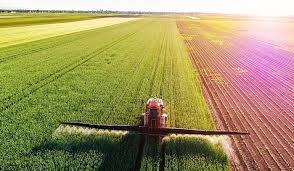
The U.S. National Science Foundation (NSF) has announced $2.4 million in new AI-ENGAGE awards to accelerate artificial intelligence research in agriculture and strengthen international scientific collaboration. The initiative is designed to advance next-generation agri-technologies, improve food system resilience, and equip researchers with critical tools for addressing emerging global challenges.
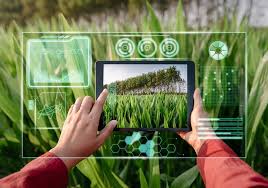
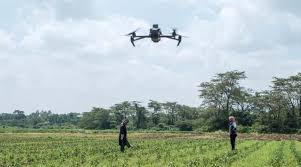
The AI-ENGAGE program supports cross-border research partnerships by connecting U.S. institutions with international universities and innovation centers. According to NSF, the new funding will focus on integrating AI, machine learning, automation, and advanced data analytics into agricultural systems—from real-time crop monitoring and autonomous field operations to predictive climate modeling and precision input management.
NSF officials emphasized that AI-enabled innovations are becoming essential as agriculture confronts mounting pressures, including labor shortages, climate volatility, soil degradation, and rapidly evolving pest and disease dynamics. By fostering multidisciplinary teams, the awards aim to accelerate the development of tools that improve productivity while reducing environmental impacts.
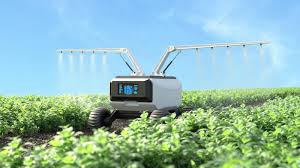
The funded projects are expected to explore a wide range of applications, such as intelligent sensing technologies, adaptive robotics, AI-guided breeding platforms, and decision-support systems that help farmers optimize resource use. Several collaborations will also examine how AI can help strengthen supply-chain resilience and early-warning systems for food system disruptions.
A key component of the initiative is its international scope, enabling shared research infrastructure, knowledge transfer, and harmonized innovation pathways across countries. NSF noted that global partnerships are essential for scaling AI solutions that can be effectively deployed across diverse agricultural landscapes.
With the launch of these awards, NSF aims to position AI as a foundational pillar of future agricultural research, accelerating scientific breakthroughs that support sustainable, climate-resilient food production systems worldwide.

 By
By