U.S. wheat export sales have surged past market expectations this week, signaling strong international demand and offering a bright spot in an otherwise uneven performance across the grain sector.
According to the latest data released by the U.S. Department of Agriculture (USDA), wheat export commitments for the current marketing week reached 509,000 metric tons, surpassing analyst projections. The increase was driven by higher purchases from key buyers including Mexico, the Philippines, and Japan, boosting optimism in the U.S. wheat market.
“This is a welcome development for American wheat growers, especially as they navigate uncertain weather conditions and global competition,” said a USDA spokesperson. “Strong overseas demand is a crucial pillar for market stability and farm profitability.”
In contrast, corn and soybean exports delivered a mixed performance. Weekly corn sales came in below expectations at 388,000 metric tons, with some softness attributed to reduced buying from China. Soybean sales, however, showed slight improvement, totaling 352,000 metric tons, as Brazil’s export pace slows down, allowing U.S. beans to regain competitiveness.
Analysts note that currency fluctuations, global weather patterns, and shifting geopolitical dynamics are all influencing grain markets. The wheat market, however, has benefited from tightening global supplies and robust demand, particularly in the wake of extreme weather events affecting production in parts of Europe and Asia.
Grain traders responded positively to the wheat data, with futures prices for soft red winter wheat climbing modestly on the Chicago Board of Trade (CBOT). Meanwhile, corn and soybean futures remained relatively stable as markets digest mixed signals.
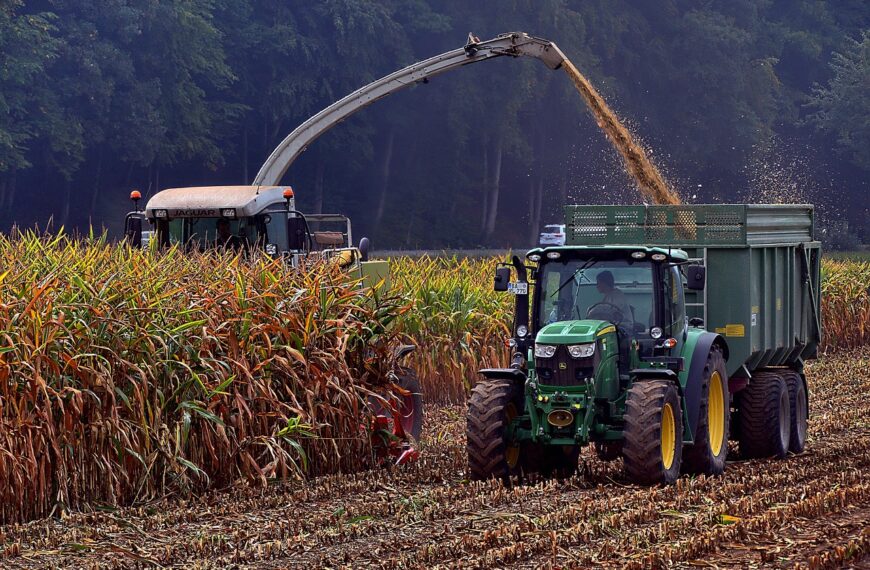
With harvests continuing across the Midwest and international buyers showing renewed interest in U.S. wheat, industry experts believe the momentum could continue into the next quarter provided logistical bottlenecks and weather disruptions remain minimal.
Overall, while the broader grain market shows varied trends, the strong wheat export figures offer a sign of resilience and opportunity for American agriculture in a complex global environment.


 By
By