

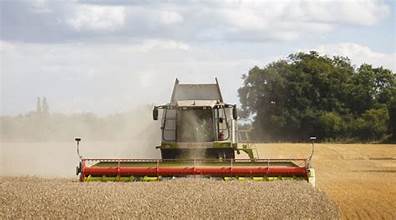
The United Kingdom is facing the possibility of one of its most difficult cereal harvests in decades as prolonged drought and exceptionally dry conditions put severe pressure on wheat, barley and oat crops. Preliminary estimates suggest that the country’s 2026 cereal and oilseed harvest could become the weakest since detailed records began in 1984, raising concerns for farmers, food producers and the wider agricultural economy.
The prolonged lack of rainfall has created difficult growing conditions across large parts of Britain. Cereal crops require adequate moisture at key stages of development, particularly during germination, flowering and grain formation. Persistent dry weather can reduce plant growth, limit grain development and ultimately lower yields.
Wheat, barley and oats are among the crops facing significant pressure. Wheat is particularly important to the UK agricultural sector and is widely used in flour, bread and animal feed. Barley is an important feed crop and is also a key raw material for the brewing and distilling industries. Oats are increasingly important for food products, animal feed and other markets.
The potential scale of the 2026 harvest decline has raised concerns because a weak domestic crop could increase the UK’s dependence on imports. Lower production may also place upward pressure on prices, particularly if international grain markets are simultaneously affected by drought or other weather-related disruptions.
For British farmers, the situation could have serious financial consequences. Lower yields mean reduced revenues, while many production costs—including seeds, fertilizers, machinery, fuel and labour—remain significant. Farmers may also face additional expenses if they need to replant damaged crops or manage fields affected by extreme weather.
The drought could have consequences beyond crop production. Lower cereal output can affect livestock farmers because wheat and barley are important components of animal feed. A shortage of domestic grain could increase feed costs, potentially putting additional pressure on livestock producers and food prices.
The UK’s agricultural sector has faced increasing weather uncertainty in recent years, with farmers dealing with changing rainfall patterns, flooding, heatwaves and periods of drought. The current situation highlights the vulnerability of cereal production to extreme weather and the importance of improving agricultural resilience.
Experts and farmers are likely to monitor rainfall and crop conditions closely as the harvest approaches. Additional rainfall could provide some relief in certain areas, although the extent to which late-season moisture can recover already damaged crops will vary depending on crop development and local conditions.
The potential record-low harvest also raises questions about future farming strategies. Farmers may increasingly consider drought-tolerant varieties, improved soil management, better water conservation and changes in planting schedules. Investment in agricultural technology and more accurate weather forecasting could also help producers manage increasingly unpredictable growing conditions.
Government policy may become important if production losses are widespread. Support measures, crop insurance and initiatives aimed at improving farm resilience could help affected producers manage financial risks and prepare for future climate-related challenges.
The UK cereal market will also remain influenced by global supply and demand. International wheat and barley prices, currency movements, shipping costs and export policies in major producing countries could determine how easily Britain can compensate for lower domestic production through imports.
If current estimates are confirmed, the 2026 harvest could mark a historic setback for British agriculture. The possibility of the worst cereal and oilseed harvest since 1984 demonstrates how severe prolonged drought can become for food production.
For now, farmers and markets will be watching weather conditions and final yield assessments closely. The coming weeks and months will determine whether improved weather can limit the damage or whether the UK ultimately records one of its most challenging harvests in modern agricultural history.


 By
By


 xoso66apps says:








