

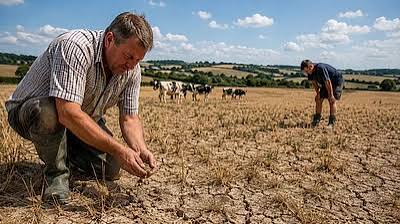
Farmers across the United Kingdom are warning of potential food shortages after severe heat and prolonged drought conditions placed growing pressure on crops, livestock and agricultural water supplies. The extreme weather has raised concerns that deteriorating yields could affect the availability and prices of some food products in the months ahead.
The latest conditions have created a difficult situation for farmers, with unusually dry weather affecting soil moisture, crop development and pasture growth. Agricultural producers are increasingly concerned that continued water shortages could reduce harvests and increase production costs at a time when the farming sector is already facing significant economic pressures.
Extreme Weather Hits UK Agriculture
Drought conditions can have a serious impact on agricultural production, particularly when crops experience prolonged periods of heat and insufficient rainfall during critical growth stages.
Fields affected by water stress may produce smaller or lower-quality crops, while some plants may fail to reach their full yield potential. Cereals, vegetables and other crops can be particularly vulnerable when soil moisture levels remain low for extended periods.
Farmers also face challenges in maintaining livestock. Dry conditions can reduce grass growth and limit the availability of natural pasture, forcing livestock producers to purchase additional feed and water. This can increase costs and put further pressure on farm profitability.
Crop Yields Under Pressure
One of the biggest concerns emerging from the drought is the potential decline in crop yields. Lower production could affect the supply of domestically produced food and increase reliance on imports.
If domestic supplies fall significantly, food manufacturers and retailers may face higher procurement costs. These costs could eventually be reflected in consumer prices, particularly for products that are highly dependent on British agricultural production.
Vegetable growers are among those facing difficult conditions, as many crops require regular and reliable access to water. Farmers without sufficient irrigation capacity may find it particularly difficult to maintain production during prolonged dry spells.
Water Shortages Add to Farmers’ Concerns
Access to water has become a critical issue for agricultural producers. Reservoir levels, rivers and groundwater supplies can come under pressure during prolonged periods without sufficient rainfall.
Restrictions on water use can create additional difficulties for farmers who depend on irrigation to protect crops during periods of extreme heat. At the same time, authorities must balance agricultural demand with the needs of households, ecosystems and other sectors.
The situation highlights the importance of developing more resilient water-management systems for agriculture, particularly as climate change increases the risk of extreme weather events.
Food Prices Could Face Additional Pressure
A significant reduction in UK agricultural production could have implications beyond farms. Lower domestic supply combined with strong consumer demand can contribute to higher food prices.
Importing additional food to compensate for domestic shortages can also expose the UK food system to international market conditions, including exchange-rate movements, transportation costs and production problems in other countries.
Farmers are therefore calling for greater attention to the long-term resilience of the country’s food system and stronger support for agricultural producers facing increasingly unpredictable weather.
Climate Resilience Becomes a Priority
The drought has renewed debate about how farmers can adapt to a changing climate. Improved irrigation infrastructure, drought-tolerant crop varieties, better soil management and more efficient water-use technologies could help reduce the impact of future dry periods.
Building healthier soils can also improve water retention and help crops withstand periods of limited rainfall. Diversifying crops and adopting precision agriculture technologies may provide farmers with additional tools to manage climate-related risks.
Outlook Remains Uncertain
The eventual impact of the drought will depend heavily on weather conditions in the coming weeks and months. A return to more favourable rainfall could prevent some losses, but prolonged heat and dryness could lead to further deterioration in crop conditions.
For UK farmers, the situation is a warning of how quickly extreme weather can threaten agricultural production and food availability. As climate risks increase, strengthening farm resilience and ensuring reliable access to water will become increasingly important.
The current concerns also highlight a broader challenge facing food systems worldwide: protecting agricultural production against increasingly unpredictable weather while maintaining affordable and reliable food supplies for consumers


 By
By











