The Union Budget 2026–27 emphasizes advancing agriculture with a balance of resilience, productivity, and affordability. Through district-level targeted programs, strengthened seed systems, increased agricultural credit, and continued fertilizer support, the budget reinforces farmer-centric growth. Measures such as domestic manufacturing promotion, supply security, customs rationalization, and GST inversion reforms are expected to reduce cost pressures in the fertilizer value chain and enhance predictability for stakeholders.
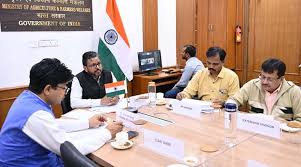
S. Shankarasubramanian, Chairman of the Fertilizer Association of India (FAI) and Managing Director & CEO of Coromandel International, said the budget aligns with the evolving needs of Indian agriculture by integrating productivity, resilience, and affordability. He noted that district-level outcome focus, better seeds, crop diversification, and multilingual digital advisory platforms can improve on-field decision-making and input efficiency, provided implementation is closely linked with ground realities.
He highlighted that fertilizer allocations reflect continued commitment to domestic capacity: ₹91,000 crore for indigenous urea, ₹34,000 crore for domestically produced phosphate and potash (P&K) fertilizers, along with provisions for imported fertilizers—₹32,000 crore for urea and ₹20,000 crore for P&K. These measures strengthen supply security and ensure farmers have access to affordable nutrients. Customs rationalization and correction of the inverted GST structure are expected to streamline costs, improve cash flow, and stabilize the operating environment.
Dr. Suresh Kumar Chaudhary, Director General of FAI, said the budget encourages agriculture to move toward more localized, scientific, and accountable decision-making. Strong seed systems, targeted support for pulses and diversified crops, and district-level programs will enable farmers to plan better and use inputs efficiently. Multilingual digital advisory tools and increased agricultural credit limits will further facilitate timely and informed decisions.
The budget allocates ₹1,16,805 crore for urea and ₹54,000 crore under Nutrient-Based Subsidy (NBS) for P&K fertilizers, bringing the total fertilizer subsidy to ₹1,70,781 crore, highlighting the importance of input affordability and availability. Additionally, ₹90 crore for bio-fertilizers and organic inputs promotes balanced nutrition and soil health.
Experts note that the effectiveness of these measures will depend on how quickly customs rationalization and GST reforms reduce supply chain bottlenecks, which directly impact cost, working capital cycles, and fertilizer availability during peak seasons. With effective implementation, the budget could provide strong support to farmers while creating a more stable, efficient, and sustainable fertilizer ecosystem.

 By
By