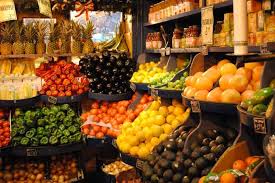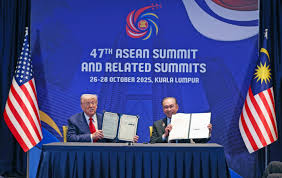
A new reciprocal trade agreement between the United States and Malaysia is expected to play a supportive role in strengthening Malaysia’s national food security framework. The deal aims to stabilise the flow of key agricultural imports and exports, providing greater predictability for both producers and consumers.
Under the agreement, improved market access and clearer trade terms are anticipated to enhance the availability of essential food commodities while supporting Malaysia’s efforts to manage supply risks. Stable trade channels are particularly important as countries worldwide continue to adjust to shifting global supply chains and price volatility in agricultural markets.
For Malaysia, the agreement is expected to support food security objectives by ensuring consistent access to critical agricultural inputs and food products that may not be produced domestically in sufficient quantities. At the same time, Malaysian exporters are likely to benefit from improved opportunities in the US market, supporting farm incomes and agri-based industries.
From a broader perspective, the deal reflects the growing emphasis on trade partnerships as a tool for strengthening food systems resilience. By balancing imports and exports through structured agreements, countries can better manage disruptions caused by climate events, geopolitical tensions, and market fluctuations.
Analysts suggest that sustained cooperation under the US–Malaysia trade framework could contribute to more resilient and transparent agricultural trade flows, reinforcing long-term food security while supporting economic growth in both countries.


 By
By