The U.S. Department of Agriculture (USDA) has confirmed plans to establish a new production facility in Texas dedicated to combating the destructive New World screwworm, a parasitic fly that poses a serious threat to livestock health. The facility is expected to become operational by 2027 and will play a critical role in strengthening biosecurity and animal disease control efforts across the region.
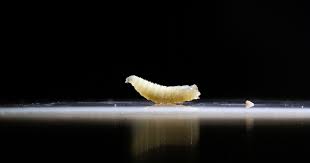
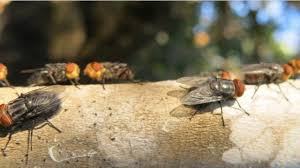
The New World screwworm (Cochliomyia hominivorax) is a flesh-eating parasite whose larvae infest open wounds of warm-blooded animals, including cattle, sheep, goats, wildlife, and occasionally humans. If left untreated, infestations can cause severe tissue damage, secondary infections, and even death, resulting in significant economic losses for livestock producers.
The planned Texas plant will focus on the sterile insect technique (SIT), a scientifically proven method of pest control. This approach involves mass-rearing male screwworm flies, sterilizing them using radiation, and releasing them into the environment. When sterile males mate with wild females, no offspring are produced, gradually suppressing and potentially eradicating the pest population.
USDA officials emphasized that the new facility will enhance rapid response capabilities in the event of outbreaks and reduce reliance on overseas production sites. Currently, sterile flies used for control programs are primarily produced in facilities outside the continental United States. Establishing a domestic production center in Texas is expected to improve logistical efficiency and strengthen national preparedness.
The move comes amid growing concerns about the potential re-emergence of the pest in North America due to cross-border animal movement and changing climatic conditions. The United States successfully eradicated the New World screwworm decades ago through coordinated binational efforts, but continuous monitoring and prevention remain essential to prevent reintroduction.
Livestock industry representatives have welcomed the announcement, noting that proactive investments in pest control infrastructure are critical to safeguarding animal health, protecting rural livelihoods, and maintaining export market access. An outbreak could disrupt cattle trade and lead to costly containment measures.
Construction of the facility is expected to begin following site finalization and environmental assessments. Once operational, the Texas plant will serve as a strategic biosecurity asset, reinforcing the country’s capacity to manage invasive livestock pests and protect the agricultural economy from significant biological threats.

 By
By