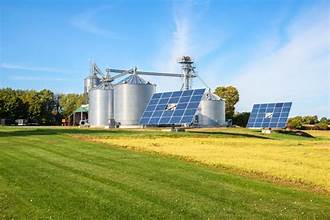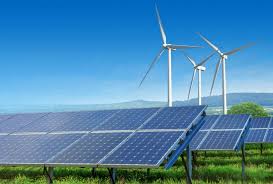
In a significant policy shift, the United States Department of Agriculture (USDA) has announced that it will no longer support the installation of large-scale solar and wind projects on prime agricultural land. The decision is aimed at ensuring that productive farmland remains dedicated to food production rather than being converted for renewable energy infrastructure.
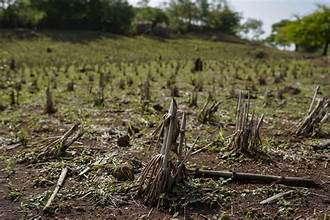
According to USDA officials, the growing trend of leasing farmland for solar panels and wind turbines has raised concerns about long-term food security. With rising demand for both domestic and global food supplies, the agency emphasized the need to protect fertile agricultural soils for cultivation.
The USDA clarified that renewable energy development is still a priority, but such projects will now be encouraged on non-agricultural or marginal lands, rather than prime farmland. This policy is expected to impact ongoing renewable energy projects that had planned to use large stretches of farmland for energy generation.
Farmers and renewable energy companies have expressed mixed reactions to the move. While some agricultural groups welcomed the decision, saying it would safeguard food production and rural livelihoods, renewable energy advocates argued that the change could slow down the country’s clean energy transition goals.
The USDA has stated it will continue to support farmers in adopting on-farm renewable technologies — such as small-scale solar for irrigation, grain drying, and other farm operations — but large-scale commercial projects on fertile farmland will no longer receive federal backing.
This policy change underscores the Biden administration’s effort to strike a balance between advancing renewable energy and securing the nation’s agricultural future.


 By
By