
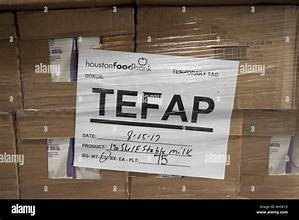

The U.S. Department of Agriculture (USDA) has announced a major emergency food assistance agreement worth up to US$235 million, reinforcing humanitarian efforts to provide food aid to vulnerable populations affected by conflicts, natural disasters, and food insecurity across various regions of the world.
The new agreement aims to strengthen emergency food distribution systems by ensuring that essential food supplies reach communities facing acute hunger and humanitarian crises. The initiative reflects the continued commitment of the United States to supporting global food security through coordinated relief programs and partnerships with humanitarian organizations.
Emergency food assistance plays a crucial role during crises when local food production, supply chains, or markets are disrupted. Armed conflicts, extreme weather events, economic instability, and displacement of populations can significantly reduce access to nutritious food, making international humanitarian support essential for millions of people.
Under the expanded program, funding will be used to procure, transport, and distribute food commodities to regions experiencing severe food shortages. The assistance is expected to support emergency feeding operations while helping humanitarian agencies respond more effectively to rapidly changing conditions on the ground.
The USDA works closely with international relief organizations, government agencies, and nonprofit partners to ensure food assistance reaches those most in need. Efficient logistics, improved supply chain management, and coordinated distribution systems are key components of the program, enabling timely delivery of food supplies even in challenging environments.
Agricultural products supplied through emergency assistance often include staple commodities such as grains, pulses, vegetable oil, and fortified food products that provide essential nutrients. These food items are selected to meet the nutritional requirements of vulnerable populations, including children, pregnant women, and displaced families.
Humanitarian experts emphasize that emergency food assistance not only addresses immediate hunger but also helps stabilize affected communities during times of crisis. Reliable access to food reduces the risk of malnutrition, supports public health, and allows families to focus on rebuilding their livelihoods once emergency conditions improve.
The expanded funding comes at a time when global humanitarian needs remain elevated due to multiple ongoing challenges. Climate-related disasters, prolonged droughts, floods, and geopolitical tensions have increased the number of people requiring food assistance in several parts of the world. International organizations continue to call for stronger cooperation among governments to ensure adequate humanitarian funding and efficient food delivery systems.
The initiative is also expected to benefit agricultural producers and food suppliers by creating demand for food commodities used in humanitarian programs. Efficient procurement systems help maintain stable supply chains while supporting broader agricultural markets.
Experts note that emergency food aid is most effective when combined with long-term investments in sustainable agriculture, rural development, and climate resilience. Strengthening local food production, improving irrigation infrastructure, expanding access to quality seeds, and supporting smallholder farmers can reduce dependence on emergency assistance over time.
Governments and humanitarian agencies are increasingly adopting innovative approaches, including digital monitoring systems, satellite-based logistics planning, and improved data analysis, to enhance the efficiency and transparency of food distribution programs. These technologies help ensure that assistance reaches intended beneficiaries quickly and effectively.
Looking ahead, the USDA’s expanded emergency food assistance agreement is expected to strengthen global humanitarian response efforts while contributing to international food security. As humanitarian challenges continue to evolve, coordinated action among governments, development agencies, and relief organizations will remain essential for addressing hunger and protecting vulnerable communities.
The US$235 million initiative underscores the importance of sustained international cooperation in combating food insecurity and ensuring that emergency food assistance reaches people facing the greatest need.


 By
By











