The U.S. Department of Agriculture (USDA) has announced a series of comprehensive measures aimed at protecting the nation’s livestock from the New World Screwworm, a highly destructive pest that poses serious risks to animal health and the agricultural economy. The USDA’s initiative underscores the importance of proactive surveillance, prevention, and rapid response to safeguard the livestock industry from this persistent threat.
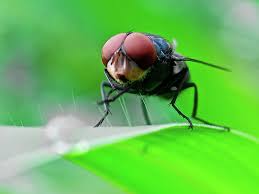
The New World Screwworm is a parasitic fly whose larvae infest the wounds of livestock, causing severe tissue damage and potentially leading to death if left untreated. Historically, outbreaks of this pest have resulted in substantial economic losses in affected regions due to decreased productivity, treatment costs, and trade restrictions. While the United States eradicated the screwworm decades ago, its potential reintroduction remains a concern, particularly in border regions and areas with high livestock density.
To address this risk, the USDA has launched a multi-pronged strategy that includes enhanced surveillance, improved detection systems, and rapid response protocols. The agency is increasing monitoring along international borders and in key livestock production zones to identify any potential infestations at the earliest stage. Advanced traps, pheromone-based detection methods, and coordinated inspections are being deployed to ensure swift identification of infected animals.
The USDA’s plan also emphasizes preventive measures, including public awareness campaigns for farmers, veterinarians, and livestock handlers. Education on proper animal husbandry, wound management, and biosecurity practices is critical to reducing vulnerability to the screwworm. In addition, the department is coordinating with state and local authorities, as well as international partners, to maintain a unified approach to controlling the pest and preventing its spread.
In the event of a detected outbreak, the USDA has outlined rapid response procedures that include containment, treatment, and eradication measures. These may involve quarantines, targeted chemical treatments, and deployment of sterile insect techniques, which have historically proven effective in eradicating screwworm populations. By acting quickly, the USDA aims to prevent localized infestations from escalating into wider outbreaks that could threaten the national livestock industry.
Livestock producers and stakeholders have welcomed the USDA’s proactive approach, noting that early intervention and coordinated strategies are essential to protecting animal health and sustaining agricultural productivity. The comprehensive plan not only strengthens the country’s defenses against the New World Screwworm but also reinforces the broader commitment to biosecurity and resilience within the U.S. agricultural sector.
With vigilant monitoring, preventive education, and rapid response mechanisms in place, the USDA is working to ensure that the New World Screwworm does not compromise the nation’s livestock industry, securing both economic stability and animal welfare for the future.


 By
By