

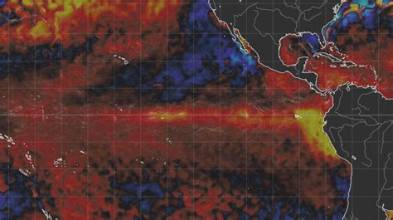
The global food system could face another period of rising prices as geopolitical conflicts, extreme weather and higher agricultural production costs increasingly converge. Economists and market analysts are warning that the combination of ongoing conflicts and a strengthening El Niño climate pattern could create fresh pressure on food supplies and commodity markets during the second half of 2026 and into 2027.
The warning comes at a time when international food markets are already showing signs of renewed volatility. The FAO Food Price Index averaged 131.1 points in July 2026, up 0.6 percent from June, with higher cereal, sugar and vegetable-oil prices contributing to the increase.
Conflict Risks Threaten Global Food Supplies
Geopolitical tensions have become an important factor in agricultural markets. Conflicts can disrupt ports, shipping routes, fuel supplies, fertilizer production and international trade, making it more expensive to move food from surplus-producing regions to importing countries.
The Black Sea remains particularly important for global grain markets. Disruptions affecting exports from the region have already contributed to higher wheat prices. FAO reported that global wheat prices surged 5.8 percent in July, driven partly by concerns over continued disruption to Black Sea export flows and damage to export infrastructure.
Higher energy and fertilizer costs could add another layer of pressure. Fertilizer production is closely linked to energy markets, meaning disruptions to fuel and natural-gas supplies can quickly increase farming costs.
El Niño Adds a New Climate Threat
At the same time, the strengthening El Niño pattern is raising concerns about agricultural production in several parts of the world. El Niño can alter rainfall and temperature patterns, producing drought in some regions and excessive rainfall in others.
Current assessments indicate that a potentially very strong El Niño could continue influencing global weather into 2027. Analysts are particularly concerned about its impact on crops such as wheat, rice, maize, sugar, coffee and oilseeds.
Extreme heat and drought can reduce yields, damage crops during critical growth stages and increase irrigation requirements. When these weather shocks occur alongside trade disruptions, the resulting supply shortages can become more difficult for global markets to absorb.
Production Costs Could Intensify Inflation
The risk is not limited to crop availability. Farmers are also facing higher costs for fuel, fertilizer, transportation, irrigation and other inputs. If production costs remain elevated, farmers and food processors may pass part of these increases through the supply chain.
This could create a chain reaction: higher input costs raise farm-gate prices, transportation becomes more expensive, processors face higher costs and consumers ultimately pay more for food.
Stocks Provide Some Protection
Despite these risks, the global food system has important buffers. Grain inventories remain relatively strong, while advances in crop varieties, irrigation, precision agriculture and digital advisory systems are improving farmers’ ability to manage weather shocks.
These factors could help prevent temporary production disruptions from turning into widespread shortages. However, large reserves may not be sufficient if multiple major producing regions experience severe weather losses at the same time.
A Critical Period for Global Food Security
The coming months could therefore prove crucial for global food markets. The interaction between geopolitical conflicts, El Niño-related weather disruptions and production costs will determine whether current price pressures remain manageable or develop into a broader food inflation wave.
For governments, maintaining adequate food reserves, supporting farmers with climate-resilient technologies and keeping international trade channels open will be essential. For farmers, efficient water management, resilient crop varieties and timely weather information could become increasingly important.
The key concern is not any single shock, but the combination of several shocks occurring simultaneously. If conflicts disrupt trade while extreme weather cuts production and input costs remain high, global food inflation could accelerate again.


 By
By











