World Wetlands Day has renewed focus on the vital ecological and economic functions wetlands play in sustaining agriculture, biodiversity, and climate resilience, as experts warn of increasing threats from climate change and land-use pressures. Observed annually on February 2, the day marks the adoption of the Ramsar Convention on Wetlands and serves as a global reminder of the need to protect these fragile ecosystems.
Wetlands—including marshes, floodplains, peatlands, mangroves, and lakes—are among the most productive ecosystems in the world. In agricultural landscapes, they perform essential services such as regulating water flows, recharging groundwater, improving soil moisture, and reducing flood risks. By acting as natural buffers, wetlands help protect crops from extreme weather events, which are becoming more frequent under changing climate conditions.
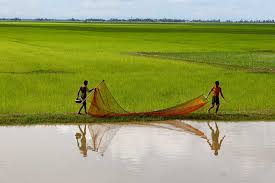
Agriculture and wetlands share a closely interlinked relationship. Wetlands support irrigation systems, fisheries, and livestock grazing, while also supplying nutrients that enhance soil fertility in surrounding farmlands. In many regions, seasonal wetlands sustain rice cultivation and other water-intensive crops. At the same time, healthy wetlands help maintain water quality by filtering pollutants and sediments before they reach rivers and irrigation canals.
However, reports released around World Wetlands Day highlight growing concerns over the rapid loss and degradation of wetlands worldwide. Expansion of agriculture, urban development, infrastructure projects, and unsustainable water extraction have significantly reduced wetland areas over recent decades. Climate change has further intensified pressures through rising temperatures, erratic rainfall, and sea-level rise, particularly affecting coastal wetlands and mangroves.
Environmental experts stress that wetland conservation is not in conflict with agricultural development but is essential for its long-term sustainability. Integrating wetlands into land-use planning, promoting climate-smart farming practices, and restoring degraded wetland areas can enhance farm resilience while protecting ecosystems. Nature-based solutions, such as wetland restoration for flood control and drought mitigation, are increasingly being recognised as cost-effective and sustainable approaches.
In India and other agrarian economies, wetlands also support rural livelihoods through fishing, fodder collection, and eco-tourism. Protecting these ecosystems can therefore contribute to income diversification and food security, especially for vulnerable communities.
World Wetlands Day serves as a reminder that safeguarding wetlands is critical not only for wildlife and ecosystems but also for the future of agriculture. As climate and land-use pressures intensify, conservation and sustainable management of wetlands are emerging as key priorities for policymakers, farmers, and environmental stakeholders alike.


 By
By