

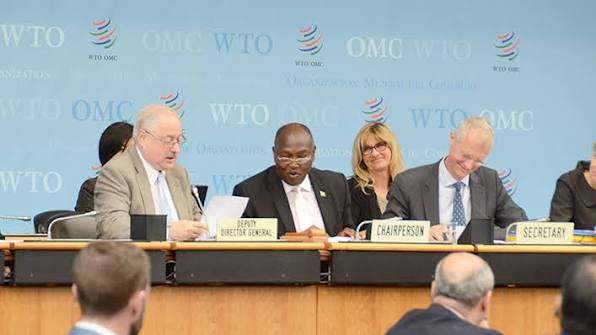
Members of the World Trade Organization (WTO) have continued discussions on agricultural negotiations, focusing on key issues including market access, domestic agricultural support, and future trade reforms. The negotiations are aimed at creating a fairer, more transparent, and sustainable global agricultural trading system while addressing the concerns of both developed and developing countries.
Agriculture remains one of the most sensitive areas of international trade, with governments seeking to balance food security, farmer livelihoods, and global market competitiveness. During the latest round of discussions, WTO members reviewed proposals designed to improve agricultural trade rules, reduce trade distortions, and strengthen the multilateral trading system.
A major topic of negotiation was market access, which determines the conditions under which agricultural products can enter foreign markets. Several members emphasized the need to reduce tariff barriers and improve export opportunities for farmers while ensuring that domestic agricultural sectors remain protected against unfair competition. Improved market access is expected to enhance global trade flows and provide producers with broader opportunities to reach international markets.
Another key issue under discussion was domestic support, including government subsidies and financial assistance provided to farmers. Many WTO members stressed the importance of ensuring that agricultural support measures do not distort international trade or create unfair competitive advantages. Developing countries, however, highlighted the need for policy flexibility to continue supporting smallholder farmers, strengthen rural livelihoods, and safeguard food security.
Delegates also discussed broader agricultural trade reforms aimed at modernizing WTO rules to reflect changing global economic and environmental conditions. These reforms include improving transparency, simplifying trade procedures, addressing food security concerns, and enhancing resilience against supply chain disruptions caused by climate change, pandemics, and geopolitical tensions.
Agricultural experts note that global food systems have become increasingly interconnected, making international cooperation essential for maintaining stable food supplies. Effective trade rules can help reduce market uncertainty, facilitate the movement of agricultural commodities, and improve access to food during periods of production shortages.
Several members also emphasized the importance of balancing trade liberalization with sustainable agricultural development. Discussions included support for environmentally sustainable farming practices, climate resilience, and policies that promote long-term agricultural productivity while minimizing environmental impacts.
For many developing nations, agriculture remains a major source of employment and economic growth. These countries continue to advocate for special and differential treatment within WTO negotiations, allowing them greater flexibility to implement agricultural policies that support food security, poverty reduction, and rural development.
Industry observers believe that progress in WTO agricultural negotiations could have significant implications for global markets, influencing the trade of major commodities such as wheat, rice, maize, sugar, cotton, dairy products, and oilseeds. Clearer and more predictable trade rules could improve market stability, encourage investment, and strengthen international agricultural cooperation.
While differences remain among member countries on several complex issues, negotiators expressed their commitment to continuing constructive dialogue and seeking balanced solutions that accommodate diverse national interests. Future rounds of negotiations are expected to build on the current discussions with the objective of achieving meaningful reforms that benefit farmers, consumers, and agricultural businesses worldwide.
As global agriculture faces increasing challenges from climate change, food security concerns, and evolving trade dynamics, the ongoing WTO negotiations are expected to play a crucial role in shaping the future of international agricultural trade and promoting a more resilient, equitable, and sustainable global food system.


 By
By











