

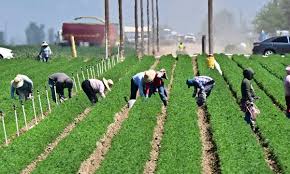
California’s agriculture industry continues to be a cornerstone of the state’s economy, with its total value estimated at $59 billion. This impressive contribution not only underscores the sector’s vital role in sustaining local communities but also reinforces California’s position as the fourth-largest economy in the world.
The state’s diverse agricultural output includes fruits, vegetables, nuts, dairy products, and livestock, making it a leading producer in multiple key commodities. Crops such as almonds, grapes, and strawberries are recognized globally, while California’s dairy and livestock industries provide essential products to both domestic and international markets. The sector’s diversity and scale allow it to support millions of jobs across farming, processing, distribution, and related industries.
Beyond direct economic contributions, California’s agriculture sector drives substantial secondary benefits. The industry supports local businesses, promotes rural development, and sustains food supply chains that reach across the United States and internationally. Its exports of high-value agricultural products are critical in strengthening trade relationships and enhancing the state’s global economic footprint.
Innovation and sustainability are also central to California’s agricultural success. Farmers increasingly adopt advanced technologies, precision farming methods, and water-efficient practices to improve productivity while reducing environmental impact. Investments in research and development, crop management, and sustainable practices ensure that the sector remains resilient in the face of challenges such as climate change, water scarcity, and market fluctuations.
Experts emphasize that the economic impact of California’s agriculture goes far beyond numbers. The sector contributes to food security, supports rural communities, and provides employment opportunities for millions of workers. Its success demonstrates the importance of combining modern technology with traditional farming expertise to maintain both productivity and environmental stewardship.
State policymakers continue to recognize agriculture as a strategic economic driver, supporting initiatives that promote innovation, sustainability, and competitiveness. By fostering partnerships between farmers, researchers, and industry stakeholders, California aims to maintain its leadership in agriculture while ensuring long-term economic growth.
As California’s agriculture sector grows and evolves, its $59 billion contribution remains a testament to the industry’s strength, resilience, and central role in shaping the state’s economy. With continued investment in technology, sustainable practices, and workforce development, California’s agriculture is poised to remain a global leader for years to come.


 By
By











