

Gaps in farm-level data across several key agricultural regions could undermine efforts to measure climate impacts and track progress toward emissions reduction goals in global food systems, according to a new analysis. Researchers warn that without reliable and consistent data, policymakers and stakeholders may struggle to design effective climate strategies for agriculture.
Agriculture plays a dual role in the climate challenge, as both a major source of greenhouse gas emissions and a sector highly vulnerable to climate change. However, the analysis highlights that data on soil health, farm emissions, water use, crop yields, and adaptation practices remain limited or inconsistent in many developing and emerging economies. This lack of detailed information makes it difficult to assess where emissions reductions are occurring and where vulnerabilities are increasing.
Experts say weak data systems can distort climate reporting and reduce the credibility of national climate commitments. Many countries rely on estimates or outdated surveys to report agricultural emissions, which may not accurately reflect on-the-ground conditions. As a result, climate mitigation efforts such as regenerative farming, improved fertilizer use, or livestock management may be undercounted or misrepresented.
The study also points to challenges in tracking adaptation outcomes. Without localized data, it is harder to determine whether climate-smart practices are improving resilience to droughts, floods, and heat stress. This limits the ability of governments and donors to direct funding to the most effective solutions or regions most at risk.
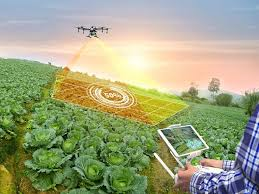
Digital tools, remote sensing, and farm-level reporting platforms are increasingly seen as part of the solution, but adoption remains uneven. Smallholder farmers, who produce a significant share of the world’s food, often lack access to technology, training, or incentives to participate in data collection systems.
Analysts stress that closing data gaps will require coordinated investment in agricultural statistics, farmer engagement, and data-sharing frameworks. Strengthening farm-level data could improve transparency, support climate finance, and help align agricultural development with global climate goals.
As climate pressures intensify, accurate and timely data is emerging as a critical foundation for transforming food systems and ensuring that climate commitments translate into measurable progress.


 By
By











