

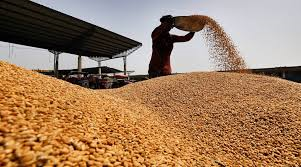
The Black Sea region continues to be a major source of volatility for global grain markets, as analysts balance expectations of strong wheat and corn production against ongoing logistical and geopolitical risks. The region, which includes key exporters such as Russia, Ukraine, and neighboring countries, plays a central role in determining global supply and price trends.
Recent forecasts point to generally favorable growing conditions that could support abundant grain output in the coming season. Improved weather patterns and stable crop development have raised expectations for solid wheat and corn harvests, adding downward pressure on prices at times. However, market participants caution that production potential alone does not guarantee smooth supply flows to global markets.
Logistical challenges remain a persistent concern. Export infrastructure, port operations, and shipping routes in the Black Sea are highly sensitive to political developments and security conditions. Any disruption to transport corridors or port access can quickly tighten global supply availability, particularly for import-dependent regions in the Middle East, North Africa, and parts of Asia.
Geopolitical uncertainty continues to amplify market risk. Even in periods of strong harvest prospects, traders remain wary of sudden policy changes, export restrictions, or disruptions that could alter trade flows with little warning. This uncertainty has contributed to frequent price swings in global wheat and corn futures, as markets react to both crop data and political signals.
The Black Sea’s competitive pricing has made it a dominant supplier in recent years, often undercutting other major exporters. As a result, developments in the region have an outsized impact on global grain trade dynamics and farmer planting decisions elsewhere, including in North America and the European Union.
Analysts say global grain markets will likely remain sensitive to Black Sea developments in the months ahead. While strong production could help ease supply concerns, ongoing logistical and geopolitical risks mean volatility is likely to persist. For buyers and sellers alike, the region remains a critical factor shaping global grain outlooks and trade strategies.


 By
By











