

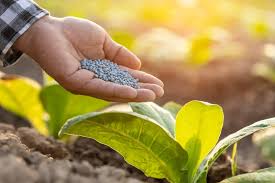
The Fertiliser Association of India (FAI) released provisional data for April–December 2025, highlighting coordinated efforts by the Indian fertiliser sector to maintain consistent nutrient availability during the Rabi season. The data covers key fertilisers including urea, DAP, MOP, complex fertilisers (NP/NPK), and Single Super Phosphate (SSP), reflecting both domestic production and imports to ensure timely access for farmers.
Complex Fertilisers (NP/NPK): Production of NP and NPK fertilisers (excluding DAP) rose 13.1% to 9.27 million tonnes, while imports surged 121.8% to 3.29 million tonnes. Sales remained largely stable at 11.74 million tonnes, reflecting a deliberate effort to strengthen complex fertiliser availability and promote balanced nutrient application across cropping patterns.
FAI Chairman, Mr. S. Sankarasubramanian, said, “The April–December 2025 data shows how the fertiliser sector has worked to keep nutrients available through a balance of domestic production and calibrated imports. Ensuring stable supply across nutrients during the fertiliser year, including the Rabi season, is essential for farmers’ timely access to key fertilisers.”
Urea: Sales of urea increased 3.8% to 31.16 million tonnes, supported by domestic production of 22.44 million tonnes and an 85.3% rise in imports to 8.00 million tonnes. This combination helped maintain availability during peak crop nutrition periods.
DAP: While domestic production of DAP fell 3.9% to 3.03 million tonnes, imports rose 45.7% to 5.95 million tonnes. Sales totaled 8.00 million tonnes, slightly lower than last year, with imports ensuring continued phosphatic nutrient availability despite moderated offtake.
MOP: Imports of Muriate of Potash (MOP) stood at 2.14 million tonnes, supporting a 5.3% rise in sales to 1.77 million tonnes. This helped maintain potassic nutrient availability for various crops.
SSP: Production of Single Super Phosphate increased 10.3% to 4.43 million tonnes, with sales rising 13.1% to 4.71 million tonnes, highlighting the ongoing role of indigenous phosphatic fertilisers in supporting diversified nutrient supply.
Dr. Suresh Kumar Chaudhari, Director General of FAI, noted, “The evolving nutrient mix points to a gradual shift toward more balanced fertilisation practices. While nitrogen remains a dominant component, steady use of phosphatic, potassic, and complex fertilisers shows alignment with crop needs and soil conditions. This approach strengthens sustainable agricultural productivity and soil health.”
Key Insights from April–December 2025:
- Urea: Higher sales supported by coordinated domestic production and imports.
- DAP: Import support ensured phosphatic availability amid moderated sales.
- MOP: Steady sales maintained through calibrated imports.
- NP/NPK: Availability strengthened to promote balanced nutrient use.
- SSP: Growth reinforces the role of indigenous phosphatic fertilisers.
FAI emphasized that continued coordination of domestic production, imports, and indigenous nutrient options is central to achieving balanced fertilisation. Stakeholders across the value chain are encouraged to adopt evidence-based nutrient management practices to improve efficiency, enhance soil health, and sustain agricultural productivity.


 By
By











