

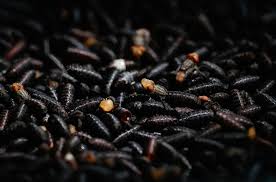
The United States Department of Agriculture (USDA) has announced plans to release sterile, fluorescent-tagged flies along the US–Mexico border as part of a preventive strategy to protect livestock from the destructive screwworm pest. The move is aimed at stopping the insect from re-establishing itself in the US, where it once caused severe losses to cattle and other animals.
The New World screwworm is a parasitic fly whose larvae infest open wounds in warm-blooded animals, feeding on living tissue and often leading to serious injury or death if untreated. Although the pest was eradicated from the United States decades ago through coordinated control programmes, it remains present in parts of Central America, raising concerns about potential re-introduction through cross-border movement of animals and wildlife.
Under the USDA’s plan, sterile male flies will be released in targeted border areas. These flies are unable to reproduce but will still mate with wild female screwworms. As a result, no offspring are produced, gradually reducing and eventually collapsing the pest population. The flies will be marked with a fluorescent tag, allowing scientists to track their movement and effectiveness through monitoring programmes.
Officials say the sterile insect technique is a proven, environmentally safe method that avoids the widespread use of pesticides. It has been successfully used in the past to eliminate screwworms from the US and Mexico and continues to be applied in other regions as a biosecurity measure. The current initiative is intended as a preventive shield rather than a response to an active outbreak.
Protecting livestock is a key priority for the USDA, as the screwworm poses a serious threat to cattle, sheep, goats, wildlife, and even pets. An outbreak could lead to major economic losses for farmers and ranchers, increased animal health costs, and trade disruptions. By acting early, authorities aim to safeguard animal welfare and maintain confidence in the US livestock sector.
The programme will involve close coordination with Mexican authorities, veterinary services, and border agencies. Surveillance efforts, including inspections and reporting systems, will complement the release of sterile flies to ensure rapid detection of any potential screwworm cases.
Experts note that sustained vigilance is essential, as climate conditions and cross-border animal movement can influence pest risks. The USDA’s initiative underscores the importance of science-based, preventive measures in protecting agriculture and livestock from transboundary pests.


 By
By











