

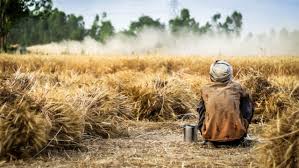
India is expected to face hotter and drier-than-normal weather conditions through February, raising concerns over potential stress on key winter-sown crops such as wheat, rapeseed (mustard), and chickpeas. Meteorological forecasts indicate a combination of rainfall deficits and above-average temperatures across several major crop-growing regions, which could affect yields if conditions persist.
Winter, or rabi, crops are typically sown between October and December and rely on a mix of residual soil moisture, winter rainfall, and irrigation. However, the current season has seen uneven rainfall distribution, with several states reporting below-normal precipitation during the crucial growth stages. Weather experts warn that prolonged dry spells, coupled with rising temperatures, may accelerate crop maturity and reduce grain filling, particularly in wheat.
Wheat, India’s most important winter cereal, is especially sensitive to heat stress during the flowering and grain development phases. Higher daytime temperatures in February can shorten the crop cycle, leading to lower kernel weight and reduced overall productivity. Major wheat-producing states such as Punjab, Haryana, Uttar Pradesh, Madhya Pradesh, and Rajasthan are closely monitoring weather trends, as any significant yield impact could influence domestic supply and prices.
Rapeseed and mustard crops are also at risk under dry and warm conditions. These oilseed crops require cool temperatures during flowering for optimal pod formation. Excessive heat can reduce seed setting and oil content, affecting both yield and quality. Similarly, chickpeas and other pulses may experience moisture stress, particularly in rainfed areas where irrigation support is limited.
Agricultural scientists note that while irrigated fields may partially offset rainfall shortages, rising temperatures remain a key concern. Increased evapotranspiration under hot conditions raises water demand, putting pressure on groundwater and canal irrigation systems. In areas with limited water availability, farmers may struggle to maintain adequate soil moisture during critical crop stages.
The India Meteorological Department has advised state governments and agricultural agencies to keep farmers informed about short-term weather advisories. Experts recommend timely irrigation, where possible, and the use of moisture conservation practices such as mulching to reduce water loss. Farmers are also being encouraged to monitor crops closely for signs of heat stress and pest incidence, which can increase under warmer conditions.
While the full impact of the weather pattern will depend on how temperatures and rainfall evolve in the coming weeks, the outlook has introduced an element of uncertainty into India’s winter crop prospects. Any significant production loss could have broader implications for food inflation, oilseed availability, and pulse supplies, making weather developments in February a key factor to watch for policymakers and markets alike.


 By
By











