

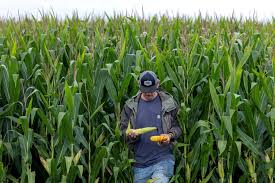
Global agricultural trade patterns are increasingly focusing on Asian markets as demand for food and farm commodities continues to grow rapidly in the region. The United States is gradually adjusting its agricultural trade strategy to strengthen ties with major Asian economies such as India and China, which are expected to play a crucial role in shaping future global demand for agricultural products.
Agricultural economists say rising population levels, urbanization, and increasing incomes across Asia are driving higher consumption of food grains, oilseeds, meat, and dairy products. As dietary patterns shift and food demand expands, countries in the region are becoming increasingly important markets for global agricultural exporters.
For the United States, Asia represents one of the fastest-growing destinations for farm exports, including soybeans, corn, wheat, meat products, and dairy commodities. Strengthening trade relations with India and China could help American farmers access larger consumer markets and maintain export growth in the coming years.
China already stands as one of the largest buyers of U.S. agricultural commodities, particularly soybeans used for animal feed and edible oil production. Meanwhile, India’s expanding population and growing middle class are expected to drive increased demand for food imports and agricultural inputs over the long term.
Trade analysts note that focusing on Asian markets is part of a broader strategy to diversify export opportunities and reduce dependence on a limited number of buyers. By strengthening market access in Asia, the United States aims to create more stable demand for its agricultural products while supporting farm income at home.
However, experts also point out that agricultural trade relations depend heavily on policy decisions, tariffs, and international trade agreements. Changes in regulations or geopolitical developments can significantly influence trade flows between major agricultural economies.
Despite these uncertainties, the growing importance of Asia in global food consumption suggests that the region will remain a central focus for international agricultural trade strategies in the years ahead.


 By
By











