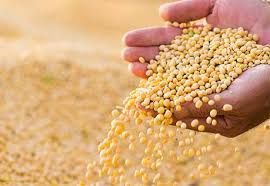
Global grain markets have witnessed a noticeable increase in prices as farmers in North America accelerate the sale of their stored crops to take advantage of favorable market conditions. Prices of key commodities such as Corn and Soybean have climbed in recent days, influenced by geopolitical tensions and shifting trade dynamics.
Market analysts report that uncertainty in global supply chains has encouraged farmers to release previously stored grain stocks while prices remain attractive. This surge in selling activity has increased trading volumes across major agricultural exchanges, contributing to heightened market volatility.
The price rise has been particularly evident in the United States and Canada, where farmers had stored large quantities of grain following strong harvests in recent seasons. With global markets reacting to geopolitical developments and concerns over supply stability, many producers are choosing to sell their inventories to secure better returns.
Agricultural economists say the strategy of selling during price spikes is common in global grain markets. Farmers often store crops after harvest and wait for favorable market signals before selling, allowing them to maximize profits. The current geopolitical climate has created such an opportunity, prompting a rapid increase in market activity.
In addition to farmer selling, traders and commodity buyers are also responding to uncertainty surrounding global trade routes and input costs. Concerns about fertilizer availability, transportation disruptions, and broader economic pressures are contributing to fluctuations in commodity prices.
Experts note that rising prices of Corn and Soybean could have wider implications for the global food system. These crops are essential not only for human consumption but also as major components of livestock feed and industrial food processing. Higher grain prices may therefore influence the cost of meat, dairy, and processed food products in the coming months.
While the current price rally benefits farmers who are selling their stocks, it also highlights the sensitivity of agricultural markets to geopolitical and economic developments. Market observers will continue to monitor supply flows and trade conditions to assess whether the upward trend in grain prices will persist in the near future.


 By
By