The global fertilizer market is entering a critical phase, with industry analysts projecting notable trends in pricing for 2025. A recent market outlook report highlights factors shaping fertilizer costs, which are crucial for farmers’ input budgeting, crop planning, and overall agricultural productivity.
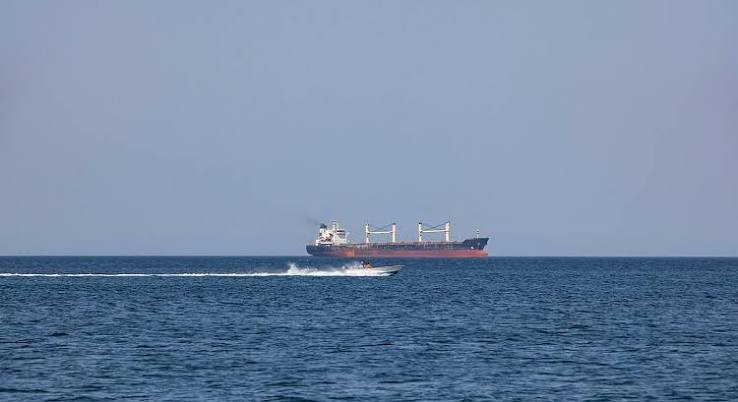
According to the report, fertilizer prices are influenced by multiple variables, including raw material availability, energy costs, supply chain dynamics, and geopolitical developments. The analysis also points to increasing demand from regions intensifying crop production, as well as shifts toward sustainable and nutrient-efficient fertilizers, which could impact overall market pricing.
Experts anticipate that nitrogen, phosphate, and potash-based fertilizers may experience moderate price fluctuations depending on production capacities and global trade policies. Volatility in energy markets, particularly natural gas prices, is expected to play a key role in determining costs for nitrogen-based fertilizers, while phosphate and potash markets remain sensitive to export policies from major producing countries.
“The fertilizer market is entering a period of adjustment,” said a senior agriculture economist. “Farmers and agribusinesses will need to carefully plan input procurement and crop budgets to navigate potential price swings.”
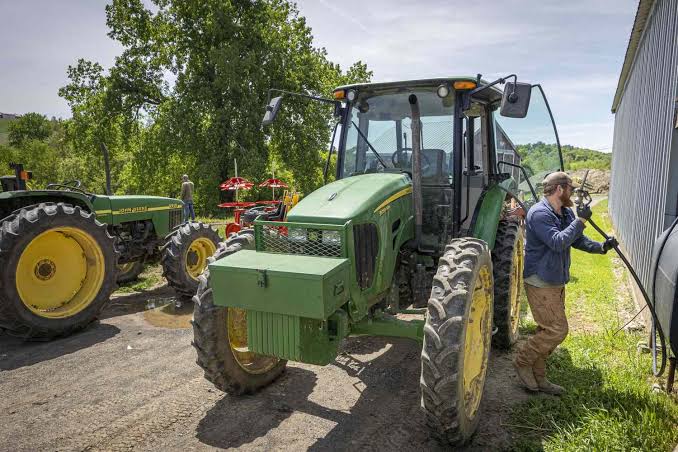
The report also emphasizes the growing importance of digital tools and predictive analytics to help farmers make cost-efficient fertilizer decisions. By optimizing fertilizer usage and incorporating precision agriculture methods, producers can reduce waste, lower input costs, and maintain crop yields despite fluctuating prices.
With global food demand expected to rise in the coming years, understanding fertilizer pricing trends is vital for maintaining sustainable and profitable agricultural systems. Stakeholders across the supply chain, from manufacturers to farmers, are watching closely to anticipate changes and adjust strategies ahead of the 2025 planting season.


 By
By