

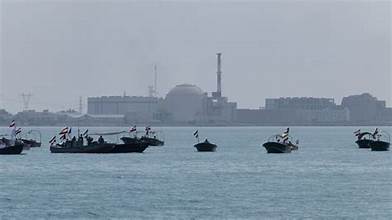
The Food and Agriculture Organization (FAO) has issued a stark warning about escalating risks to global food security amid mounting disruptions in the Strait of Hormuz, one of the world’s most critical maritime trade corridors. According to the FAO’s chief economist, turbulence in the region is already affecting the movement of key commodities — including fertilizers, grains, and essential food products — raising concerns about potential supply shocks and price volatility.
The Strait of Hormuz serves as a lifeline for global energy and commodity shipments, and any slowdown in traffic has far-reaching consequences. Recent geopolitical tensions have slowed vessel movements, disrupted established shipping routes, and created uncertainties for exporters and importers across multiple continents.
FAO officials emphasize that disruptions in fertilizer flows pose an especially serious threat. Many countries depend heavily on imported fertilizers to sustain crop production, and delays or shortages could undermine yields in the upcoming agricultural seasons. Higher transportation and insurance costs are also likely to be passed on to consumers, amplifying food inflation pressures worldwide.
In addition, interruptions in the supply of staple food commodities could strain markets in low-income and import-dependent nations, heightening the risk of hunger and malnutrition. The FAO has urged governments and international bodies to enhance monitoring, support vulnerable countries, and diversify supply chains to prevent major shocks.
With geopolitical instability showing no immediate signs of easing, the FAO’s warning underscores the fragility of global food systems. Ensuring stable shipping routes, safeguarding fertilizer access, and strengthening emergency response mechanisms will be crucial to preventing the current disruptions from evolving into a full-scale food security crisis.


 By
By











