

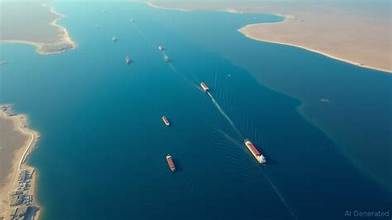
Growing instability in the Strait of Hormuz is beginning to reverberate across global agriculture markets, with analysts warning that disruptions are no longer limited to energy supplies. According to assessments from Goldman Sachs and other market observers, fertilizer prices and several key farm input costs have started to edge higher as shipping delays and elevated freight risks ripple through supply chains.
The Strait of Hormuz — a vital maritime corridor for oil, gas, and bulk commodities — has seen increasing congestion and security concerns in recent weeks. While the immediate focus has been on crude and fuel markets, analysts now say the agricultural sector is facing mounting pressure as vessels carrying fertilizers, chemicals, and essential raw materials encounter delays or higher insurance premiums.
Fertilizers are particularly vulnerable to logistics shocks. A significant share of global nitrogen, potash, and phosphate shipments pass near or through the region, and any disruption can quickly affect availability and pricing worldwide. Early indicators show rising costs for urea, potash, and shipping services, raising alarms for producers ahead of critical planting windows in the Northern Hemisphere.
Higher input costs could squeeze farm margins, especially in developing countries where fertilizer affordability is already strained. Analysts caution that if the disruptions persist, global crop production forecasts may need to be revised due to reduced application rates or delayed field operations.
Beyond fertilizers, ancillary inputs such as crop protection chemicals, machinery parts, and feedstocks may also face upward price pressure as broader supply chain uncertainties increase.
Agricultural economists stress that the situation warrants close monitoring, warning that prolonged instability in the Strait of Hormuz could translate into higher food production costs and ultimately contribute to renewed inflation risks in global food markets. For now, the sector is bracing for tighter supply conditions and heightened volatility across input-dependent segments of agriculture.


 By
By











