

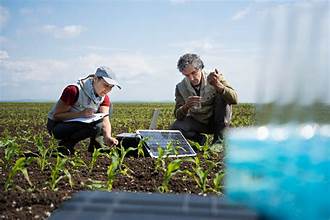
A new wave of large-scale scientific studies has renewed global debate over the actual effectiveness of regenerative agriculture, a farming approach widely promoted for improving soil health, enhancing biodiversity, and capturing carbon. The comprehensive review, conducted by multidisciplinary researchers, evaluates decades of field data and compares regenerative practices with conventional systems across diverse agro-ecological regions.
The analysis found measurable improvements in several soil health indicators—such as organic matter content, water infiltration rates, and microbial activity—when regenerative methods like cover cropping, reduced tillage, rotational grazing, and diversified cropping systems are consistently applied. These findings suggest that regenerative approaches can build soil resilience and reduce erosion in many landscapes.
However, the review also highlights significant variability in outcomes. Biodiversity gains, particularly in soil fauna and beneficial insect populations, were evident in some regions but less pronounced in others, depending on the intensity of implementation and local environmental conditions. Researchers stressed that regenerative agriculture is not a “one-size-fits-all” solution and requires long-term, site-specific management to deliver consistent ecological benefits.
One of the most contested areas—carbon sequestration—remains inconclusive. While the studies show potential for carbon gains in soils under regenerative management, the magnitude and durability of sequestration vary widely. Some scientists caution that carbon benefits may plateau over time or be offset by emissions from other farm activities, underscoring the need for realistic expectations.
The review concludes that regenerative agriculture holds promise, particularly for improving soil health and enhancing system resilience, but calls for more standardized definitions and rigorous monitoring frameworks. It also urges policymakers and industry leaders to avoid overstating benefits until longer-term, regionally representative data are available.
As global interest in climate-smart agriculture continues to rise, this scientific debate underscores the importance of evidence-based evaluation and the need for tailored strategies that align ecological goals with practical farming realities.


 By
By











