

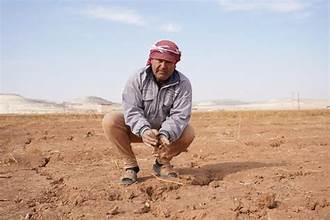
Climate and weather-related disasters have caused staggering economic losses to global agriculture, amounting to an estimated $3.26 trillion over the past thirty years, according to a major new report released by the Food and Agriculture Organization of the United Nations (FAO). The findings underscore the escalating financial and food security risks posed by climate extremes and the urgent need to strengthen resilience across farming systems worldwide.
The report highlights that agriculture—including crops, livestock, forestry, aquaculture and fisheries—has been disproportionately affected by extreme events such as droughts, floods, storms, heatwaves and pest outbreaks. These shocks have not only undermined production but also disrupted supply chains, reduced farm incomes and strained national economies, particularly in developing countries where agriculture remains a primary source of livelihood.
According to FAO analysts, average annual losses have increased dramatically as climate variability intensifies. While the 1990s and early 2000s saw periodic spikes in disaster-related damages, the last decade has witnessed a steep rise in frequency and severity. Drought alone accounted for a significant share of total losses, especially in water-stressed regions of Africa, the Middle East, South Asia and Latin America. Floods and tropical storms, meanwhile, contributed to major yield declines in key rice- and maize-producing zones.
The report also points out that smallholder farmers, who make up more than 80 percent of the world’s farms, remain the most vulnerable to climate impacts. Limited access to insurance, credit, climate-resilient seeds and advanced early-warning systems leaves millions of producers exposed to household-level economic shocks. In many countries, a single severe event can erase years of development gains.
Livestock and fisheries sectors have also absorbed significant losses. Heat stress, disease outbreaks, water scarcity and ocean warming have reduced productivity and accelerated ecological degradation. FAO notes that climate extremes are increasingly disrupting marine food chains, affecting coastal communities dependent on fishing for both food and income.
Beyond direct production losses, disasters have generated substantial indirect costs, including damaged rural infrastructure, disrupted transport networks and reduced market access. These ripple effects often amplify food price volatility, contributing to inflationary pressures and weakening national food security strategies. Several low-income countries have been forced to redirect development budgets toward emergency response, further challenging long-term agricultural investment.
The FAO report calls for urgent global action to embed resilience into agricultural planning. Key recommendations include scaling up climate-smart agriculture, expanding digital early-warning systems, improving water management, diversifying crop portfolios and increasing investments in soil restoration and drought-resistant varieties. Enhanced access to climate finance and insurance products is also essential to protect farmers from recurring shocks.
International cooperation, FAO stresses, will be critical as climate impacts increasingly transcend national boundaries. Coordinated disaster preparedness, regional information-sharing systems and strengthened agri-food policies are needed to reduce risk and safeguard future food supplies.
As the pace of climate extremes accelerates, the world’s agricultural sector faces a critical inflection point. With trillions already lost and global food demand projected to rise sharply over the next decades, the report serves as a stark reminder that building climate resilience is no longer optional—it is fundamental to ensuring sustainable, stable and secure food systems.


 By
By











