

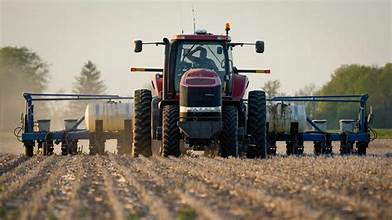
The European Union is preparing a comprehensive financial relief package to support farmers grappling with soaring input costs, particularly fuel and fertilizers, as geopolitical tensions and global supply disruptions continue to impact agricultural economies. The move comes at a critical time when farmers across Europe are facing unprecedented financial pressure that could affect both production levels and food security.
Over the past year, fertilizer prices have surged dramatically due to rising natural gas costs, limited global supply, and export restrictions from key producing countries. Since fertilizers are essential for maintaining crop yields, the sharp increase has forced many farmers to reconsider their usage, potentially risking lower productivity. Small and medium-scale farmers are especially affected, as they often operate with tighter margins and limited access to financial reserves.
To address these challenges, the European Commission is working on a multi-layered support strategy. This includes emergency grants to provide immediate relief, targeted subsidies to offset rising input costs, and temporary tax reductions aimed at easing financial burdens. These measures are expected to help farmers sustain operations during crucial planting and harvesting periods, ensuring that agricultural output remains stable.
Energy costs have further intensified the situation. Farmers depend heavily on fuel for machinery, irrigation systems, and transportation of goods. The recent spike in energy prices, driven in part by geopolitical instability and supply constraints, has significantly increased operational expenses. By introducing fuel subsidies and tax relief, the EU aims to stabilize production costs and prevent disruptions in the agricultural supply chain.
Beyond short-term relief, the EU is also focusing on long-term resilience. Policymakers are encouraging farmers to adopt sustainable agricultural practices that reduce dependence on chemical fertilizers. This includes promoting organic inputs, improving soil health management, and investing in precision farming technologies. Such steps align with the EU’s broader environmental goals under its Green Deal strategy, which seeks to create a more sustainable and climate-resilient agricultural system.
Farmer organizations and agricultural unions have broadly welcomed the proposed support measures but stress the need for swift implementation. Delays in financial assistance could disrupt planting schedules and reduce overall farm output. Stakeholders are also urging the EU to establish more predictable and responsive policy mechanisms to better manage future crises.
The EU’s initiative underscores the growing link between agriculture, energy, and global geopolitics. As market volatility continues to affect input costs, governments are under increasing pressure to protect farmers while ensuring food security for consumers. The coming weeks will be crucial as the European Commission finalizes the details and works with member states to roll out the support package effectively.
Overall, the planned financial assistance marks a decisive step toward stabilizing the agricultural sector during a period of economic uncertainty, reinforcing the importance of timely intervention to safeguard farmers’ livelihoods and maintain food supply chains across Europe.


 By
By











