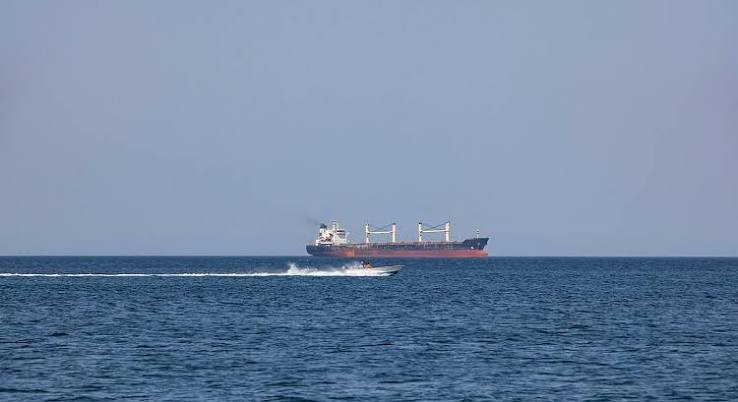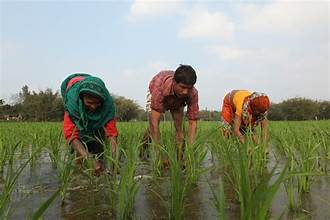
Growing tensions around the Strait of Hormuz are beginning to ripple far beyond the energy sector, with global agriculture now facing serious disruption. Experts warn that the crisis could trigger a chain reaction affecting fertilizer availability, farm production, and ultimately food prices worldwide.
The Strait of Hormuz is one of the world’s most critical maritime chokepoints, through which nearly a fifth of global oil supply passes. Any disruption in this route directly impacts energy markets, and agriculture—being heavily dependent on fuel—is among the first sectors to feel the strain. Rising oil prices increase the cost of farm operations, irrigation, transportation, and food processing, placing immediate pressure on farmers and supply chains.
More critically, the crisis is threatening global fertilizer supplies. Key fertilizer-producing nations in the Gulf region rely on stable energy exports and shipping routes. Fertilizers such as urea, ammonia, and potash are energy-intensive to produce, particularly natural gas-based nitrogen fertilizers. Any disruption in energy supply or export logistics can significantly reduce global fertilizer availability.
Industry analysts warn that a shortage or price surge in fertilizers could severely impact crop yields in major agricultural economies. Countries in Asia and Africa, which depend heavily on imported fertilizers, are particularly vulnerable. Reduced fertilizer usage due to high costs may lead to lower productivity in staple crops such as wheat, rice, and maize, potentially tightening global food supplies.
The situation is further complicated by existing vulnerabilities in the global agrifood system. Climate change, ongoing geopolitical conflicts, and supply chain disruptions have already strained food production in recent years. The Hormuz crisis adds another layer of uncertainty, raising concerns about a prolonged agrifood shock.
Food-importing nations are likely to be the hardest hit. As input costs rise and production slows, international food prices may surge, increasing the risk of inflation and food insecurity. Low-income populations in developing countries could face the greatest challenges, as higher prices reduce access to essential food commodities.
Agricultural economists are also warning about potential ripple effects on livestock and dairy sectors. Higher feed costs, driven by reduced grain output, may lead to increased prices for meat, milk, and related products. This could further intensify inflationary pressures across food systems.
Governments and international organizations are closely monitoring the situation. Some countries may consider strategic reserves, alternative trade routes, or subsidies to cushion the impact. However, experts emphasize that a prolonged disruption in the Strait could have long-lasting consequences that extend beyond short-term policy measures.
The crisis underscores the deep interconnection between energy, geopolitics, and agriculture. It highlights the urgent need for countries to diversify supply chains, invest in domestic fertilizer production, and adopt sustainable farming practices that reduce dependency on external inputs.
If tensions continue to escalate, the Hormuz situation could evolve into a major global agrifood crisis, affecting millions of farmers and consumers alike. The coming weeks will be crucial in determining whether the world can stabilize supply chains or face another wave of food price volatility.


 By
By