

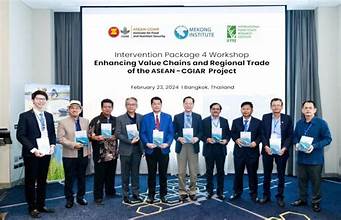
A major regional collaboration between the Association of Southeast Asian Nations and CGIAR is accelerating the transition toward climate-resilient and sustainable agriculture in Southeast Asia. The initiative aims to strengthen food systems while directly benefiting more than 100 million farmers across the region.
The program focuses on addressing some of the most pressing challenges faced by agriculture in Southeast Asia, including climate change, soil degradation, water scarcity, and declining farm productivity. Through research-driven interventions and policy support, the ASEAN–CGIAR partnership is working to enhance resilience at both farm and system levels.
One of the key pillars of the initiative is the promotion of climate-smart agricultural practices. These include the adoption of drought-tolerant crop varieties, efficient water management techniques, and integrated farming systems that optimize resource use. By equipping farmers with these tools, the program aims to reduce vulnerability to extreme weather events such as floods, droughts, and heatwaves, which are becoming increasingly frequent in the region.
The initiative also emphasizes sustainable soil and nutrient management. Farmers are being encouraged to adopt practices such as crop rotation, organic inputs, and precision fertilizer application to maintain soil health and improve long-term productivity. This approach not only enhances yields but also reduces environmental impact, supporting the broader goal of sustainable development.
Digital innovation is another important component of the program. Farmers are gaining access to real-time advisory services, weather forecasts, and market information through mobile platforms and digital tools. These technologies are helping improve decision-making, reduce risks, and increase efficiency across the agricultural value chain.
In addition to on-ground interventions, the ASEAN–CGIAR collaboration is supporting policy development and institutional strengthening. Governments in the region are being assisted in designing evidence-based agricultural policies that promote sustainability, food security, and rural livelihoods. Capacity-building programs and training initiatives are also being rolled out to ensure effective implementation at the grassroots level.
Experts highlight that the scale of the initiative makes it particularly impactful. With over 100 million farmers involved, even incremental improvements in productivity and resilience can translate into significant gains in regional food security. The program is also expected to contribute to reducing greenhouse gas emissions from agriculture, aligning with global climate goals.
However, successful implementation will depend on strong coordination among governments, research institutions, and local communities. Ensuring that smallholder farmers—who form the backbone of Southeast Asia’s agriculture—have access to resources, training, and financial support will be critical.
The ASEAN–CGIAR initiative represents a forward-looking model of regional cooperation in agriculture. By combining scientific research with policy action and grassroots engagement, it is paving the way for a more resilient, productive, and sustainable food system in Southeast Asia.


 By
By











