

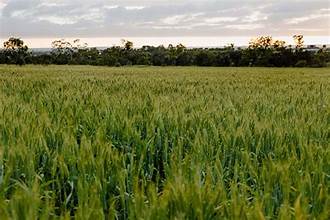
Farmers in Western Australia are increasingly rethinking their cropping strategies, with a noticeable shift away from traditional wheat cultivation toward alternative crops such as canola, barley, and lupins. The transition is being driven by a combination of changing climate conditions and evolving market dynamics, signaling a broader transformation in Australia’s agricultural landscape.
Wheat has long been a dominant crop in Western Australia, contributing significantly to both domestic supply and export earnings. However, recurring dry spells, erratic rainfall patterns, and rising temperatures have made wheat production more risky and less predictable. These climatic challenges are affecting yields and increasing the likelihood of crop failures, prompting farmers to diversify their portfolios.
Canola is emerging as a preferred alternative due to its relatively higher profitability and strong global demand, particularly for edible oils and biofuel production. The crop is also seen as a valuable rotational option, helping improve soil health and reduce disease cycles. Similarly, barley is gaining traction, supported by steady demand from the brewing and livestock feed industries.
Lupins, a legume crop, are also becoming an important part of the new cropping mix. Known for their nitrogen-fixing properties, lupins enhance soil fertility and reduce the need for synthetic fertilizers. This not only lowers input costs but also aligns with sustainable farming practices, which are gaining importance amid environmental concerns.
Market conditions are playing a crucial role in this shift. Global wheat prices have shown volatility in recent years due to geopolitical tensions and supply chain disruptions. In contrast, canola and barley markets have offered relatively stable and, at times, more attractive returns. Farmers are increasingly responding to these signals by reallocating land to crops that promise better profitability and lower risk.
Agricultural experts note that diversification is becoming a key strategy for resilience. By cultivating a mix of crops, farmers can better manage uncertainties related to weather, pests, and price fluctuations. This approach not only stabilizes farm income but also supports long-term sustainability.
However, the transition is not without challenges. Farmers must adapt to different agronomic practices, invest in new seeds and inputs, and sometimes upgrade machinery to suit different crops. Access to technical knowledge and extension services will be critical in ensuring a smooth shift.
The move also has implications for global grain markets. As Western Australia is a major wheat-exporting region, any reduction in wheat acreage could influence global supply dynamics, especially if similar trends emerge in other parts of the world facing climate stress.
Overall, the shift in cropping patterns reflects a pragmatic response by Australian farmers to a changing environment and market landscape. By embracing diversification and sustainability, they are positioning themselves to navigate uncertainty while maintaining productivity and profitability in the long run.


 By
By











